You’ve probably stood in front of a mirror thinking, partial or full highlights?
Both options have their place. But the right one depends on your hair goals, your budget, and how much upkeep you’re ready for.
In this blog, you’ll get a clear breakdown of partial vs full highlights, what they are, how they work, and which one suits you best.
The Basic Difference Between Partial vs Full Highlights
To put it simply, partial highlights cover only a section of your hair. Full highlights, on the other hand, cover your entire head.
With partial highlights, your stylist works only on the top layer, crown, or front sections.
It’s a focused treatment. While full highlights go through every layer, including the top, middle, and underneath.
Placement is another factor separating them.
Partial highlights are great for adding brightness around your face. While full highlights give you an all-over color change.
Partial highlights usually take 45 minutes to 1.5 hours. While full highlights can run 2 to 3 hours or more.
Partial vs Full Highlights: What Suits Your Hair Type?
One of the most important things to consider while choosing between partial vs full highlights is your hair type.
Because the wrong choice here can make your hair look flat or overdone.
1. Fine Hair
Partial highlights work better for fine hair, as too much color can make thin strands look overprocessed and weak.
This highlight adds brightness on top without putting stress on every strand throughout your head.
2. Thick Hair
Full highlights suit thick hair well, as dense hair can handle more color without looking overdone.
Going full coverage ensures the highlights show through every layer.
3. Curly Hair
Partial highlights are a great fit for curly hair, as curls naturally diffuse color and create shadow between ringlets.
Highlighting just the top sections and face-framing highlights lets the color catch the light where it matters most.
4. Straight Hair
Full highlights work well on straight hair. Every strand is visible and lies flat, so color placed underneath shows through easily.
Different Hair Highlight Techniques Explained
Be it full or partial, neither highlight is applied the same way.
Each technique uses a different method for applying color, which completely changes the final look.
1. Balayage
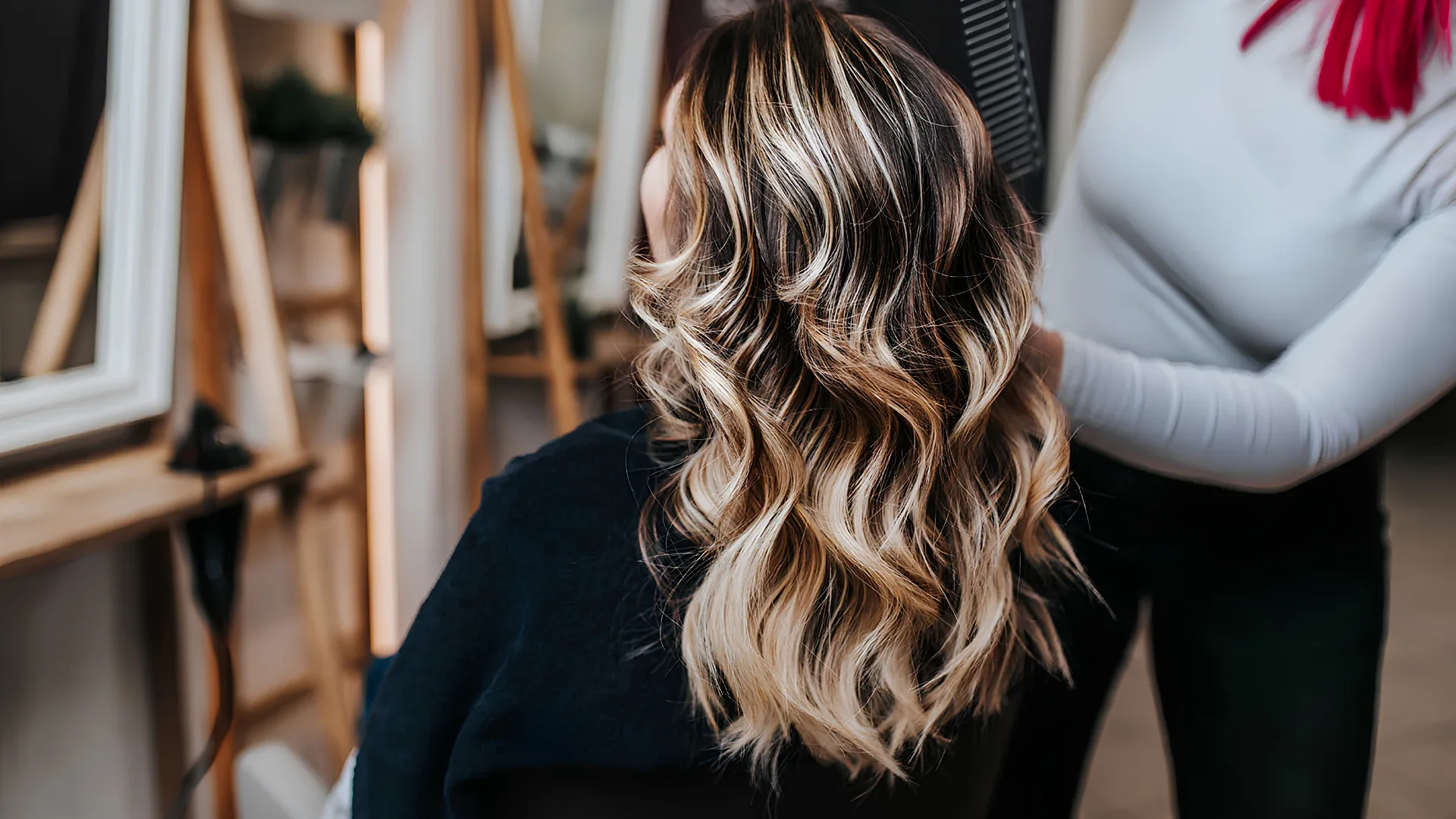
Balayage means “to sweep” in French.
Your stylist hand-paints color directly onto sections of hair, without foils. The color is lighter at the ends and softer at the roots.
It gives a sun-kissed, grown-out look that blends naturally.
If you have medium to long hair you can go for this. The length gives the color room to blend gradually, making the result look effortless and natural.
2. Baby Lights
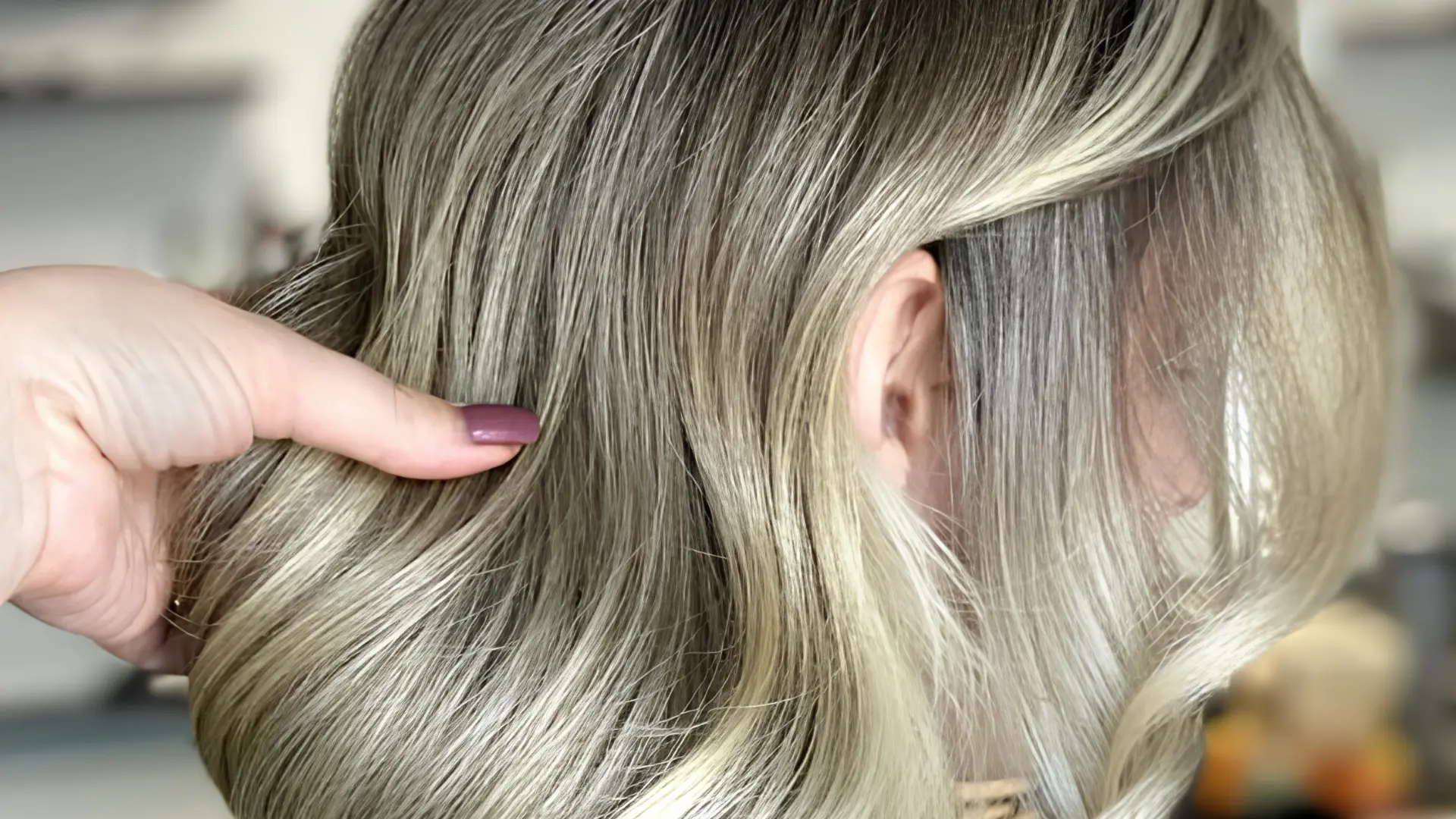
Baby lights use very thin, closely spaced sections of hair.
Your stylist wraps each tiny section in foil with a lightener, and the result looks like natural, fine streaks of light throughout your hair.
This one gives a very soft and subtle look.
This one is best for fine or thin hair. The small sections add brightness without making the hair look too heavily colored or weighed down.
3. Chunky Highlights
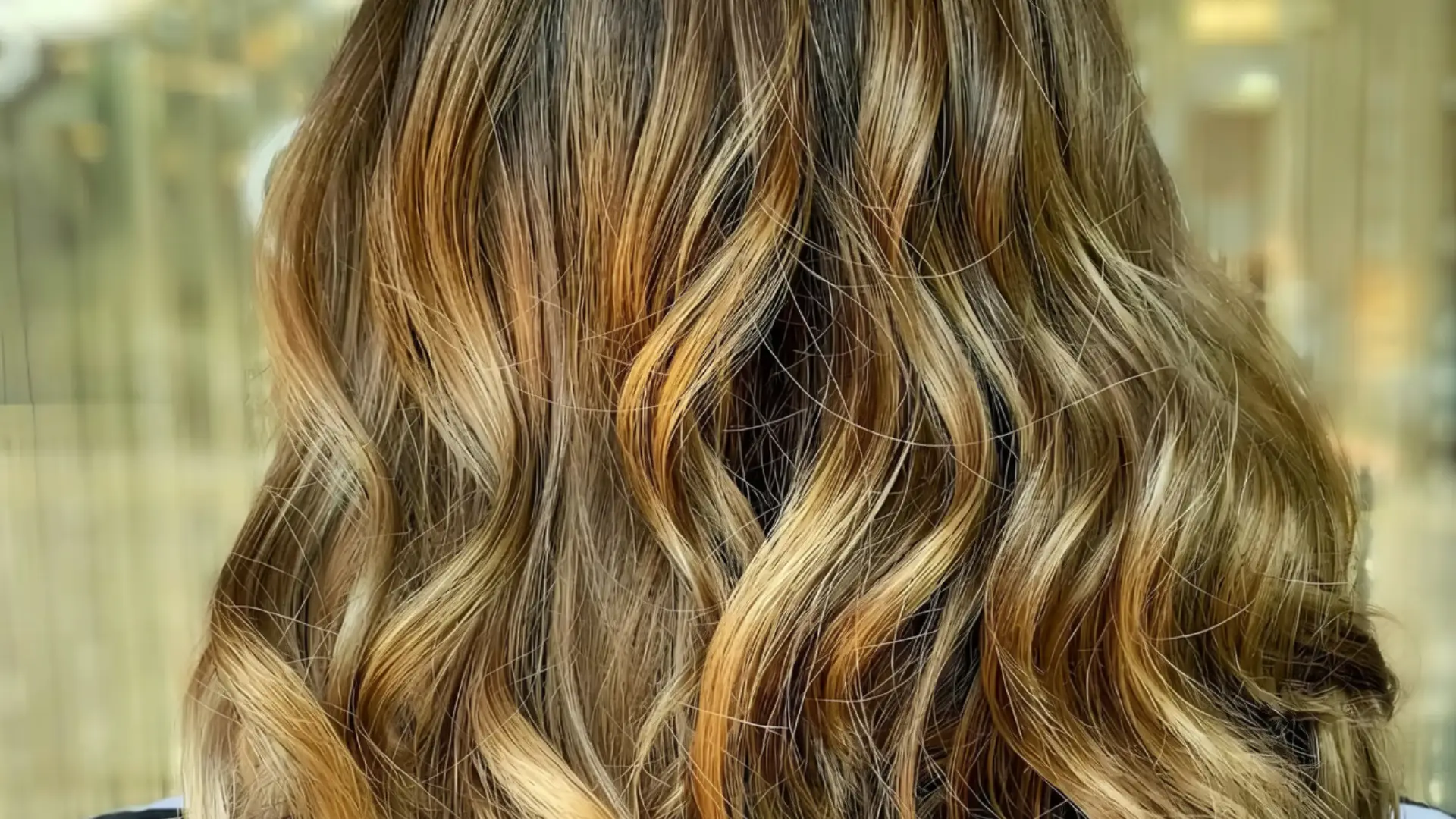
Chunky highlights use wider sections of hair.
Your stylist separates thick strands and applies color in bold, visible blocks. The contrast between your natural color and the highlighted sections is strong and intentional.
This gives off a very high-impact look.
This goes with thick or coarse hair. The bold sections show up well against dense hair and create a strong, defined contrast.
Cost Comparison: Partial vs Full Highlights
Knowing what each option costs before you book your appointment is a pocket-friendly move.
It helps you plan your budget and avoid surprises at the checkout counter.
| Highlight Type | Brand/Product Used | Average Cost (USD) |
|---|---|---|
| Partial Highlights | Wella Koleston Perfect | ~$9.95–$15 per tube |
| Partial Highlights | Redken Shades EQ | ~$20–$35 per tube |
| Partial Highlights | L’Oréal Majirouge | ~$7–$23 |
| Full Highlights | Schwarzkopf BlondMe | ~$35–$50 |
| Full Highlights | Wella Blondor | ~$35–$45 |
| Full Highlights | Redken Flash Lift | ~$35–$50 |
Popular Highlight Looks Worth Trying
There are so many highlight looks out there, and it can be hard to know where to start.
Some looks work better as partial highlights, while others shine when done as full highlights. To choose what’s right is the aim.
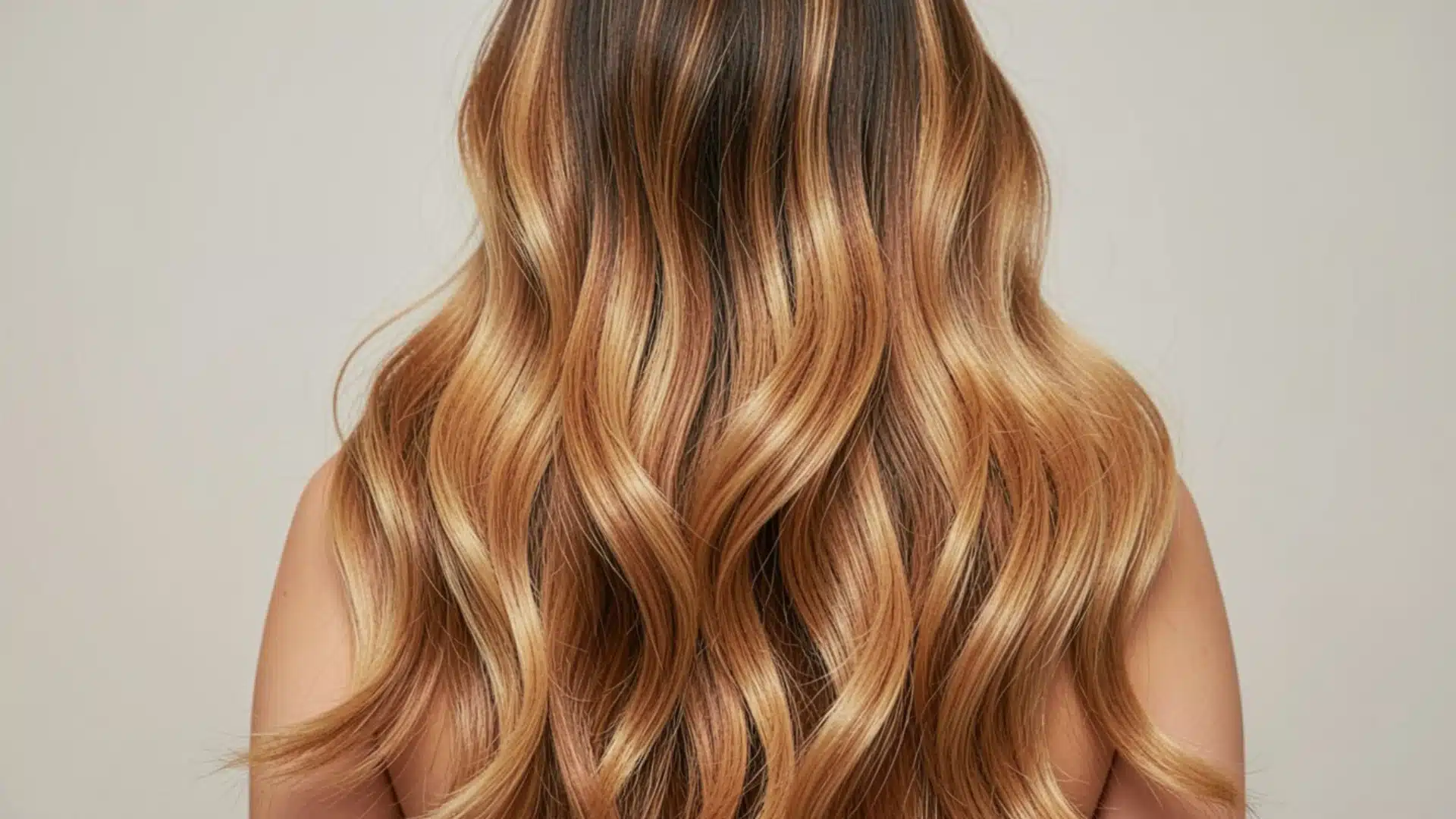
Sun-Kissed Balayage (Partial)
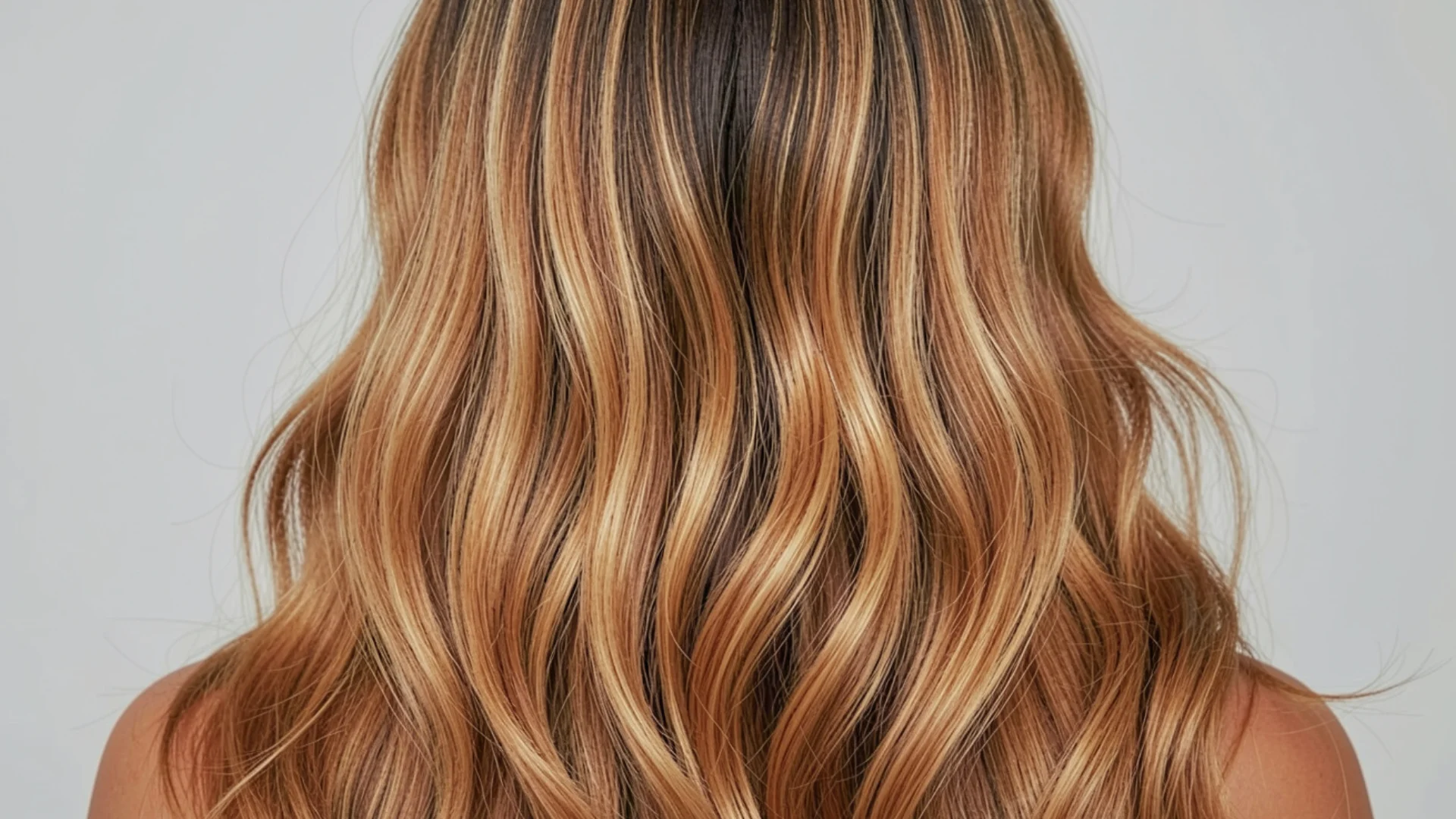
Balayage, as a partial highlight, focuses color on the top layers and ends.
It gives your hair a warm, natural glow without touching every strand, and the result looks like you spent a summer outdoors.
It’s soft, effortless, and grows out beautifully with very little upkeep needed.
Caramel and honey tones work best here. This look suits medium to long hair, the length gives the color space to blend and fade naturally.
Face Framing Highlights (Partial)
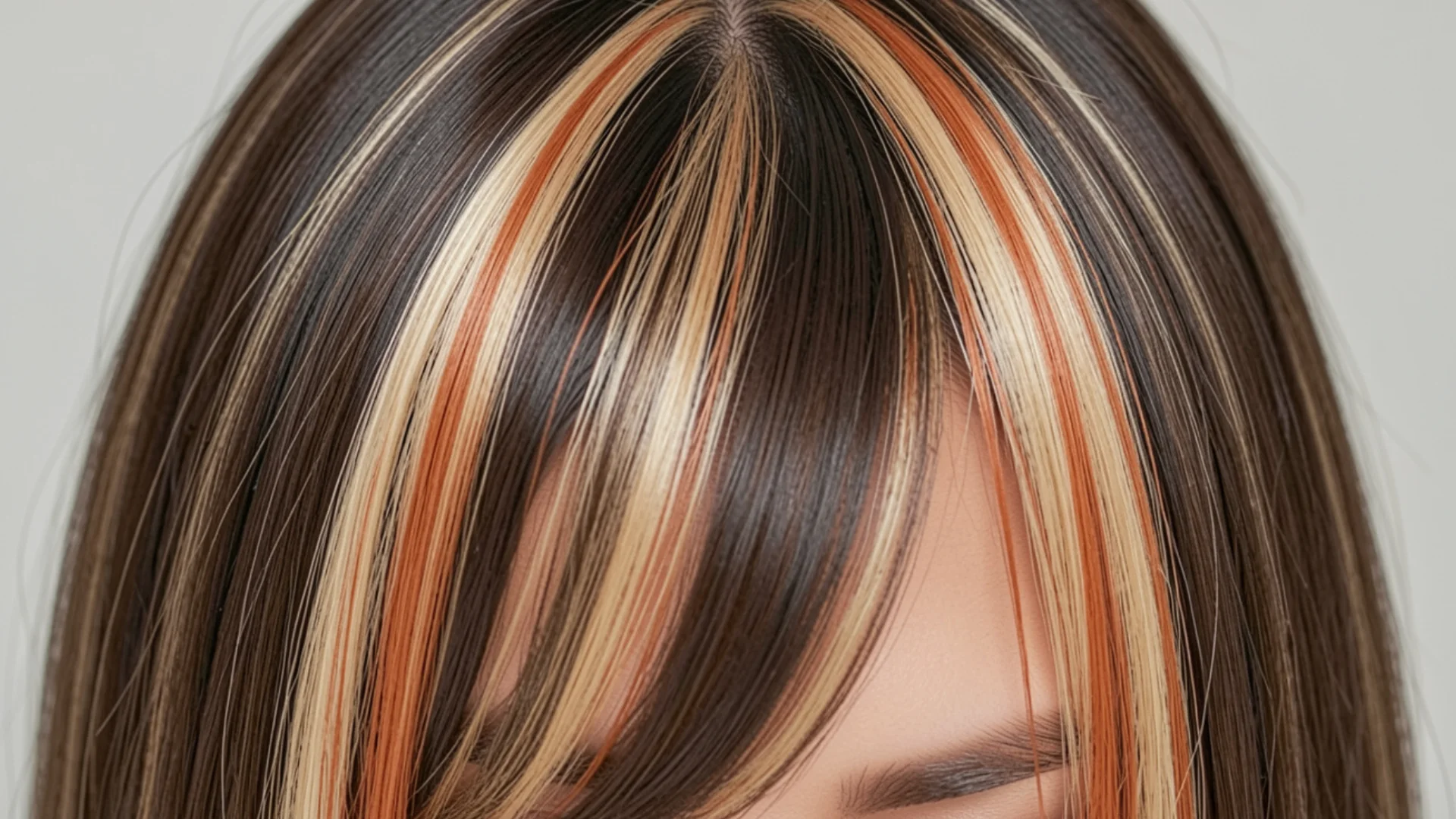
Face-framing highlights are placed only around your hairline and front sections. They brighten your complexion and draw attention to your face.
It’s a subtle but effective change.
You get the glow of highlights without committing to color all over your head.
Warm blonde and copper tones complement most skin tones here. It’s good for all hair types, especially those trying highlights for the very first time.
All-Over Foil Highlights (Full)
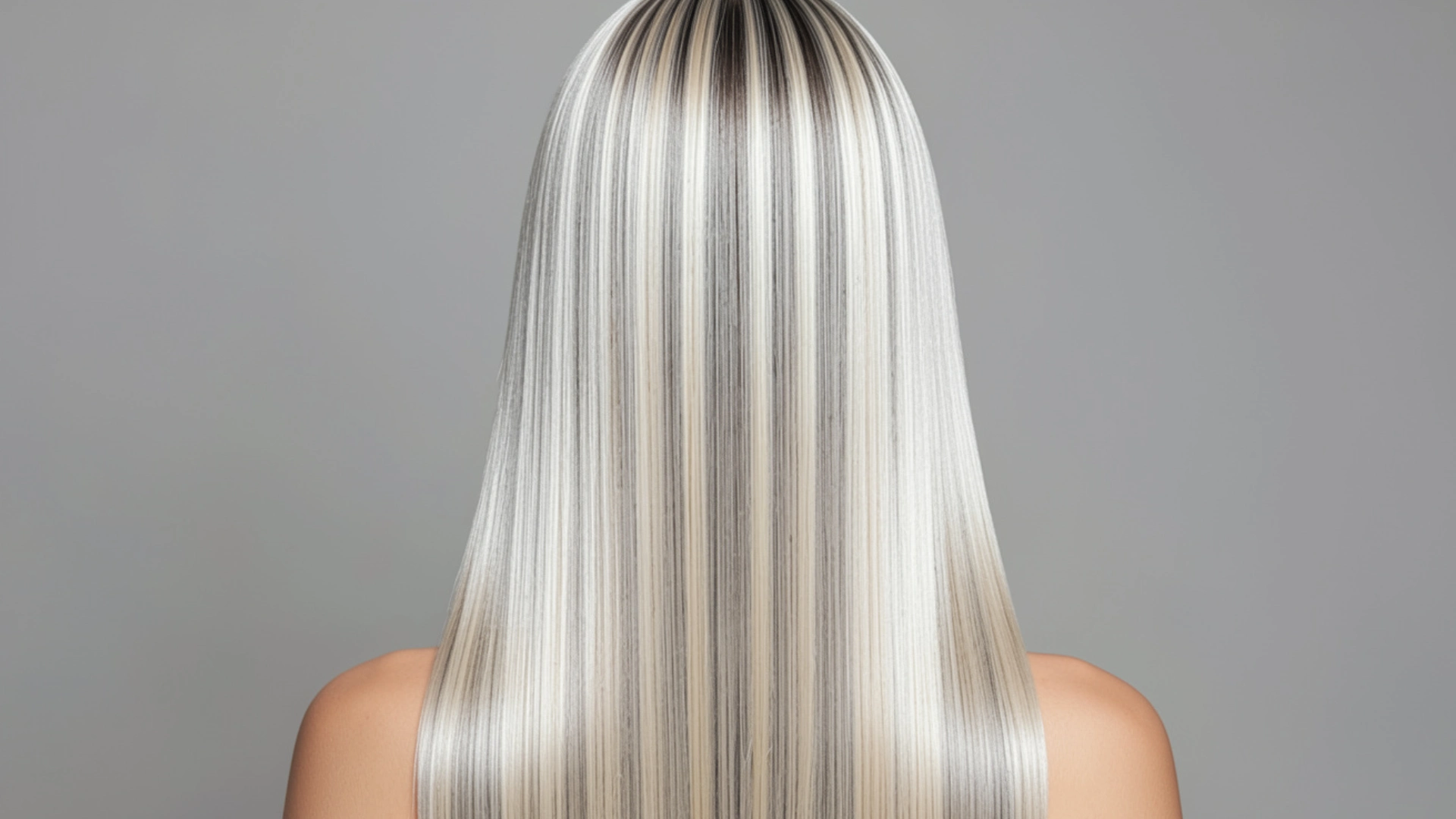
All-over foil highlights wrap every section of your hair in foil from root to tip.
The result is bright, even, and consistent throughout. It’s one of the most classic full highlight techniques and gives you maximum lift and coverage across your entire head.
Ash blonde and platinum shades work well here. It’s suited for thick hair, as the strong formula lifts dense strands evenly from root to tip.
Dimensional Full Highlights (Full)
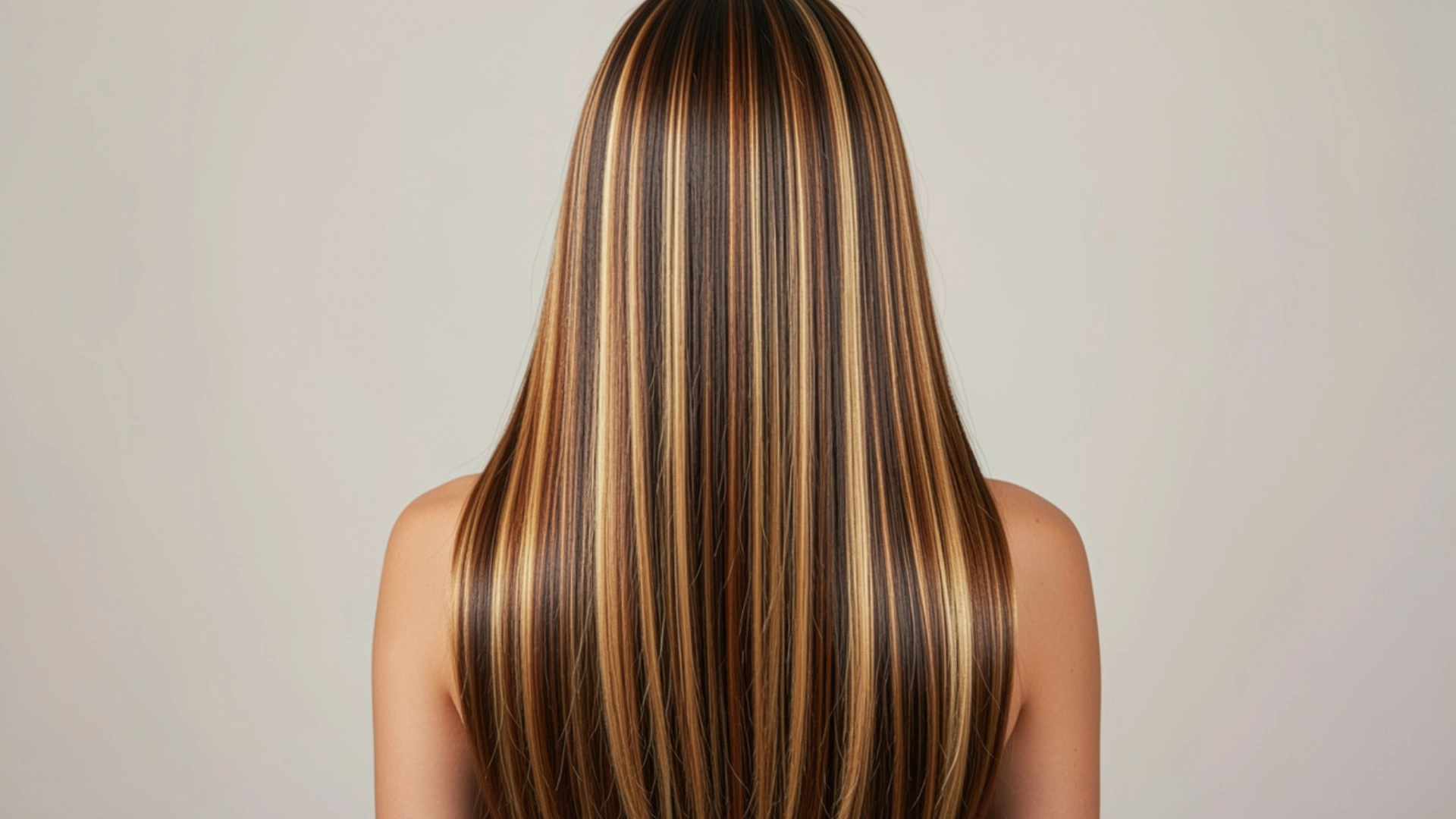
Dimensional full highlights use two or three different shades of color placed throughout the whole head.
The mix of light and slightly darker tones creates depth.
Your hair looks full, rich, and layered, and it’s a great way to get full coverage without the result looking flat or one-note.
Chocolate brown with caramel ribbons works beautifully here. It’s for straight or wavy hair, as the multiple tones show up clearly on smoother hair textures.
The Aftercare: Most Important Part
Getting highlights is only half the work; how you care for your hair afterward determines how long that color stays fresh and bright.
Skip the aftercare, and your highlights will fade fast.
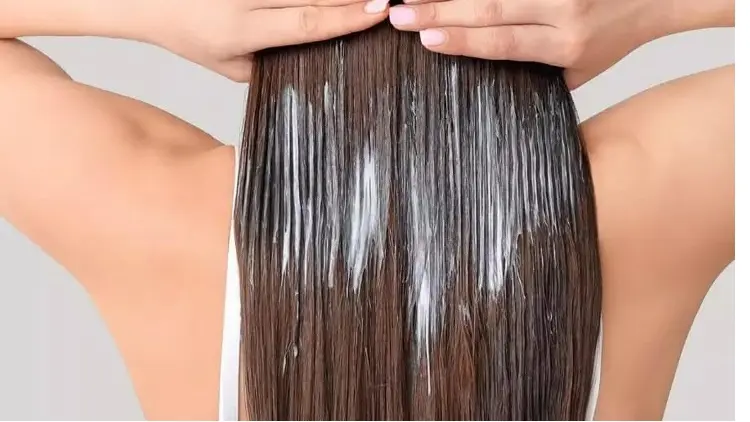
Start with a sulfate-free shampoo. Regular shampoo strips color quickly, so use a hydrating conditioner with every wash and a deep-conditioning mask once a week.
Highlighted hair loses moisture faster than untreated hair, so it needs extra hydration regularly.
At last, avoid washing your hair with hot water. Warm or cool water seals the hair cuticle and helps color last longer.
Try to wash your hair no more than two to three times a week.
Which Result Are You Actually Looking For?
At the end of the day, the right choice between partial vs full highlights comes down to what you want to see in the mirror.
Your lifestyle, your comfort level with maintenance, and your color goals all play a part.
When to Choose Partial Highlights:
Partial highlights are perfect if you want subtle brightness without a dramatic change.
They add a soft lift to your hair and let your natural base color show through, and the regrowth blends in easily, so you won’t need frequent salon visits.
It’s a low-effort option that still gives your hair natural dimension and quiet movement.
When to Choose Full Highlights If:
Full highlights are the right pick if you want a noticeable transformation.
The color shows through every layer, giving you brightness from every angle, even when your hair is tied back.
If your goal is to go significantly lighter and turn heads, full highlights cover your entire head and deliver that bold, all-over lift you’re looking for.
Final Thoughts
Partial vs full highlights really comes down to three things: your hair type, your budget, and the result you want.
Neither option is better than the other.
They just serve different goals. Just talk to your stylist, be honest about your comfort with maintenance, and pick the one that fits your style.
And don’t forget about the aftercare.
Frequently Asked Questions (FAQs)
1. Is Balayage out of Style in 2026?
No, balayage is still very popular in 2026. It looks natural, grows out well, and suits most hair types. Soft, warm tones are especially trending right now.
2. What Hair Color Ages You the Most?
Very dark, flat black hair can age you by creating a harsh contrast against your skin. Ashy or cool tones with no dimension can also make you look older.
3. At What Age Should You Stop Highlighting Hair?
There is no set age to stop highlighting. Many women highlight well into their 50s and 60s. The key is keeping your hair healthy and moisturized throughout.