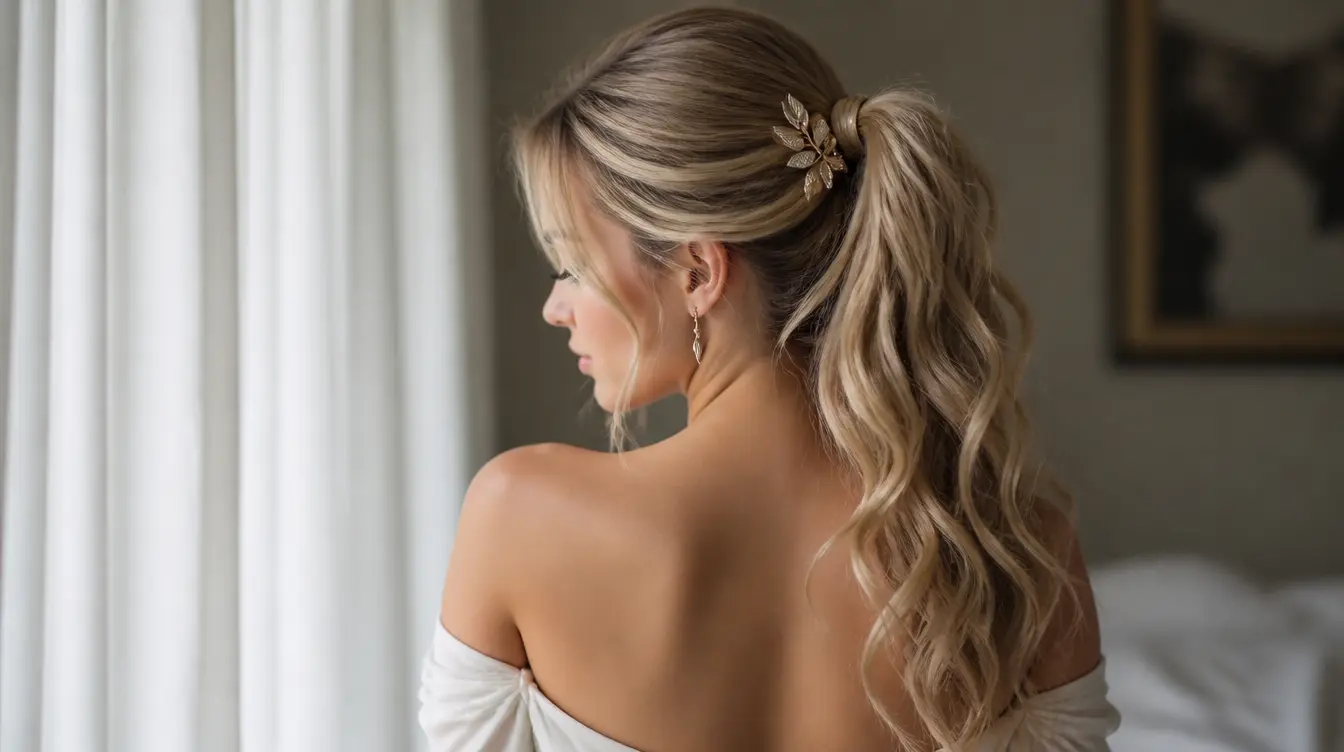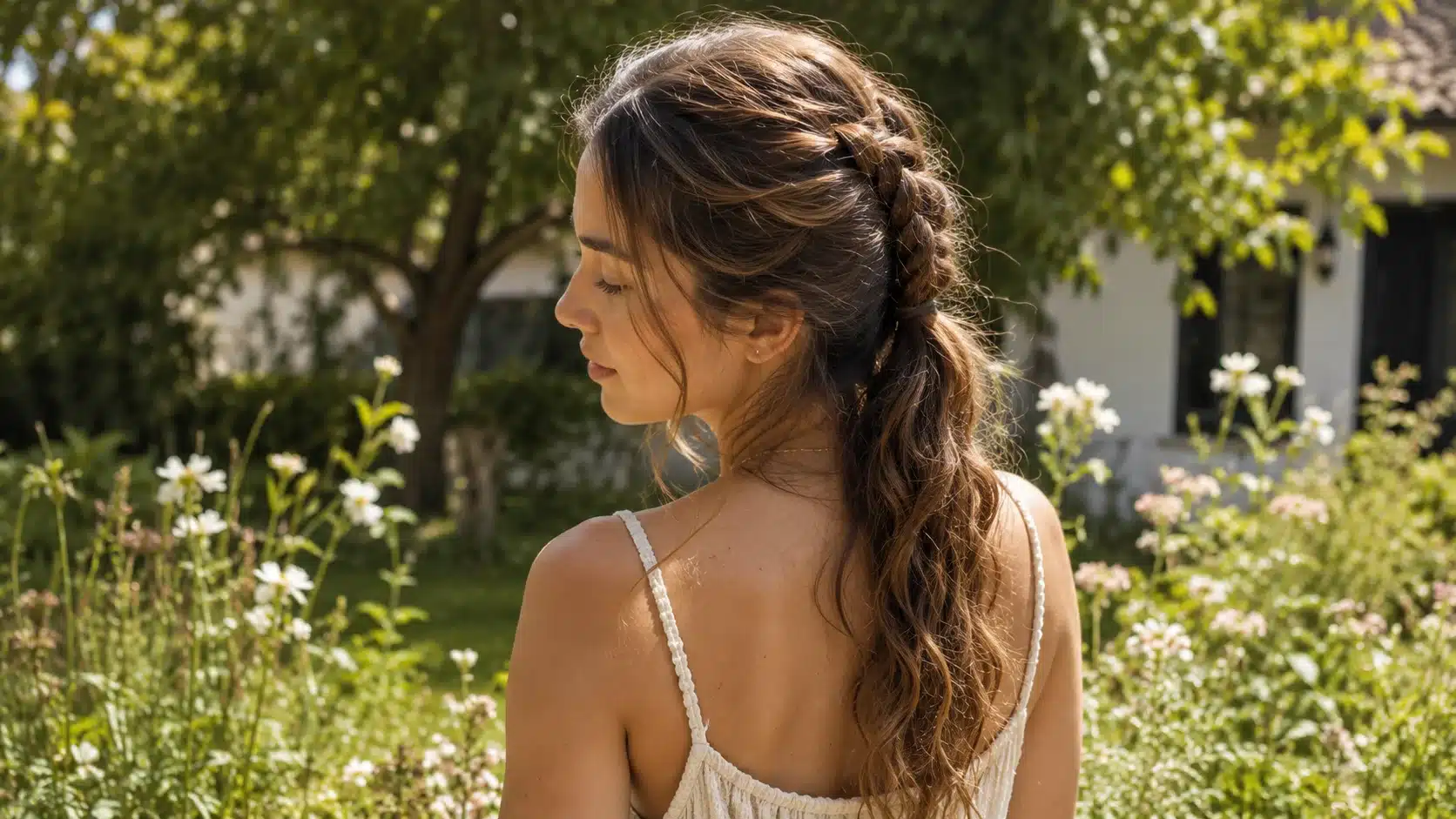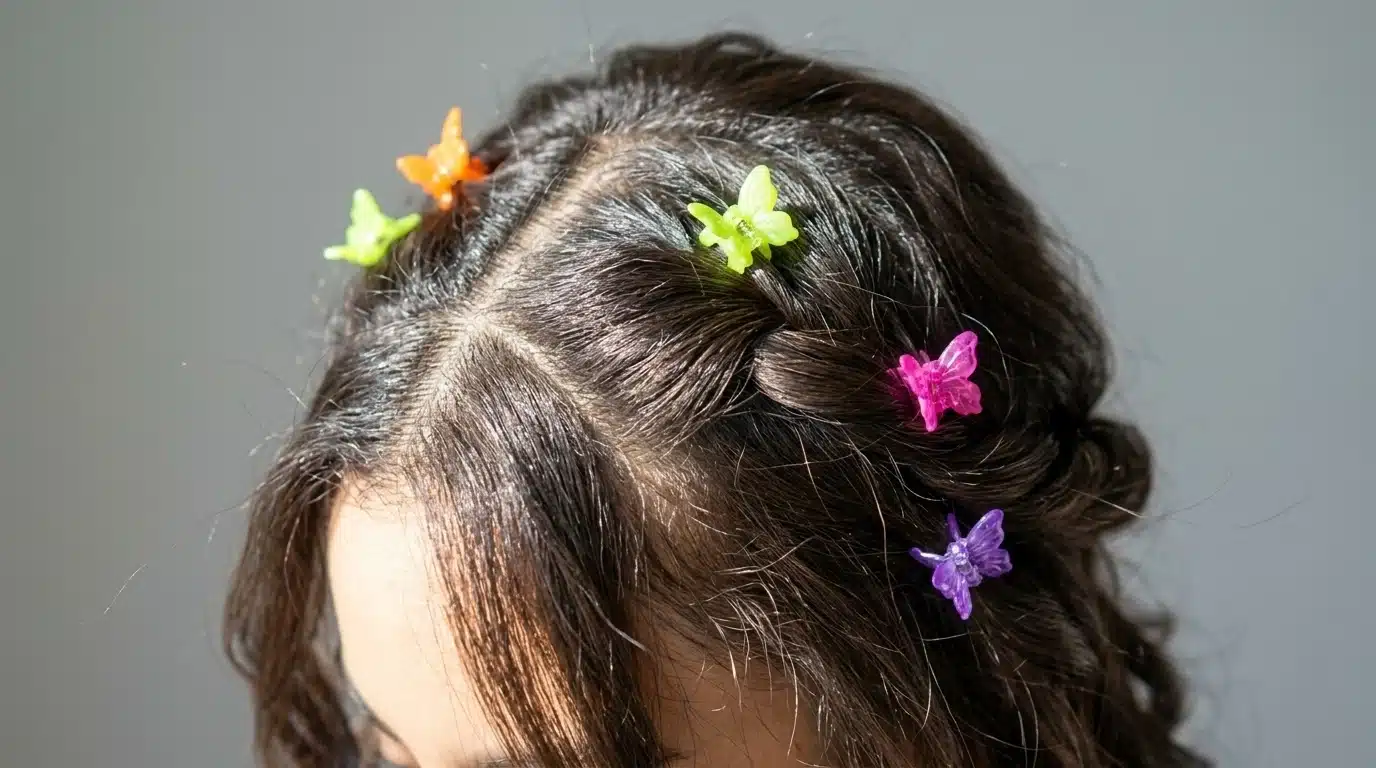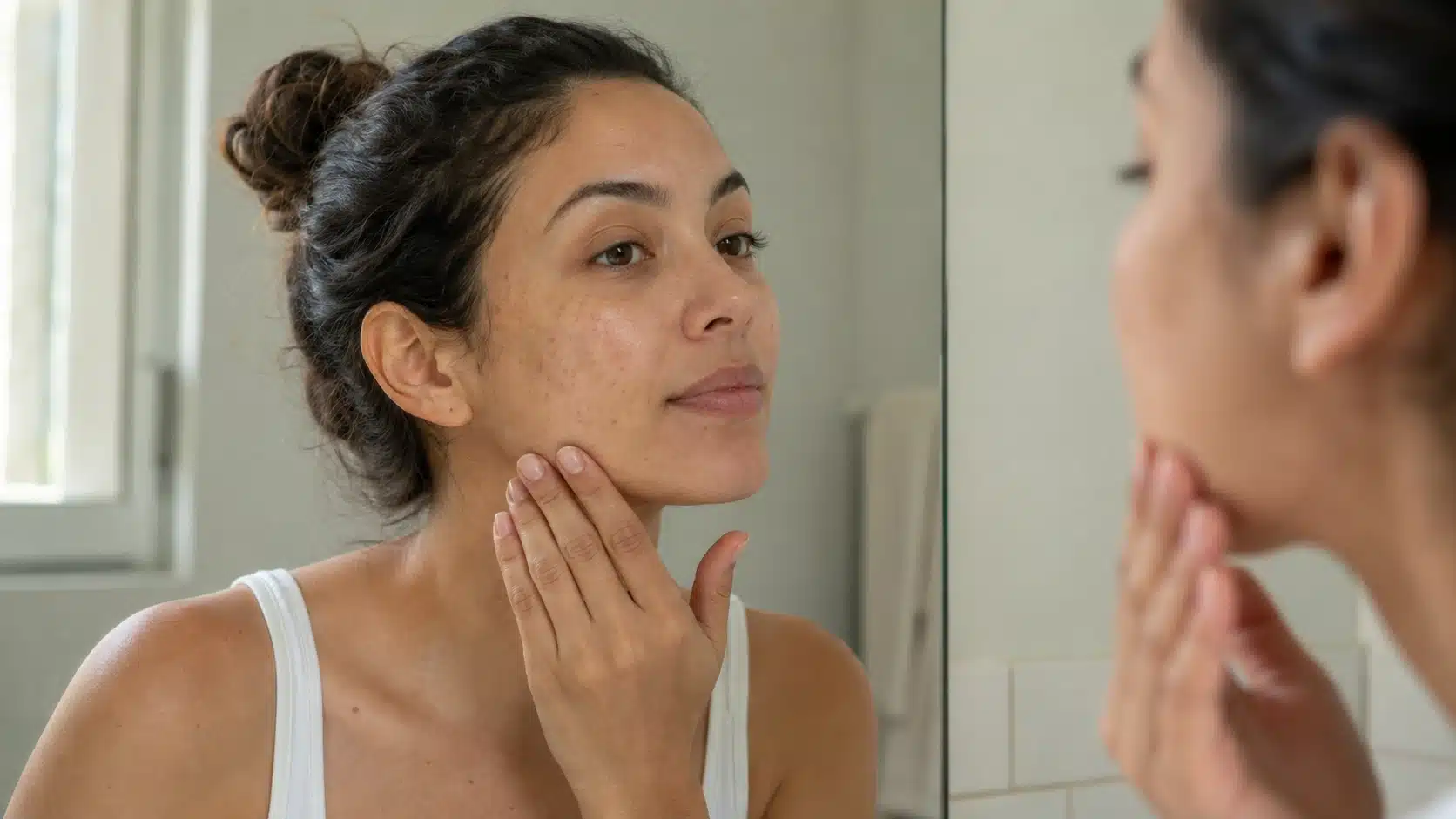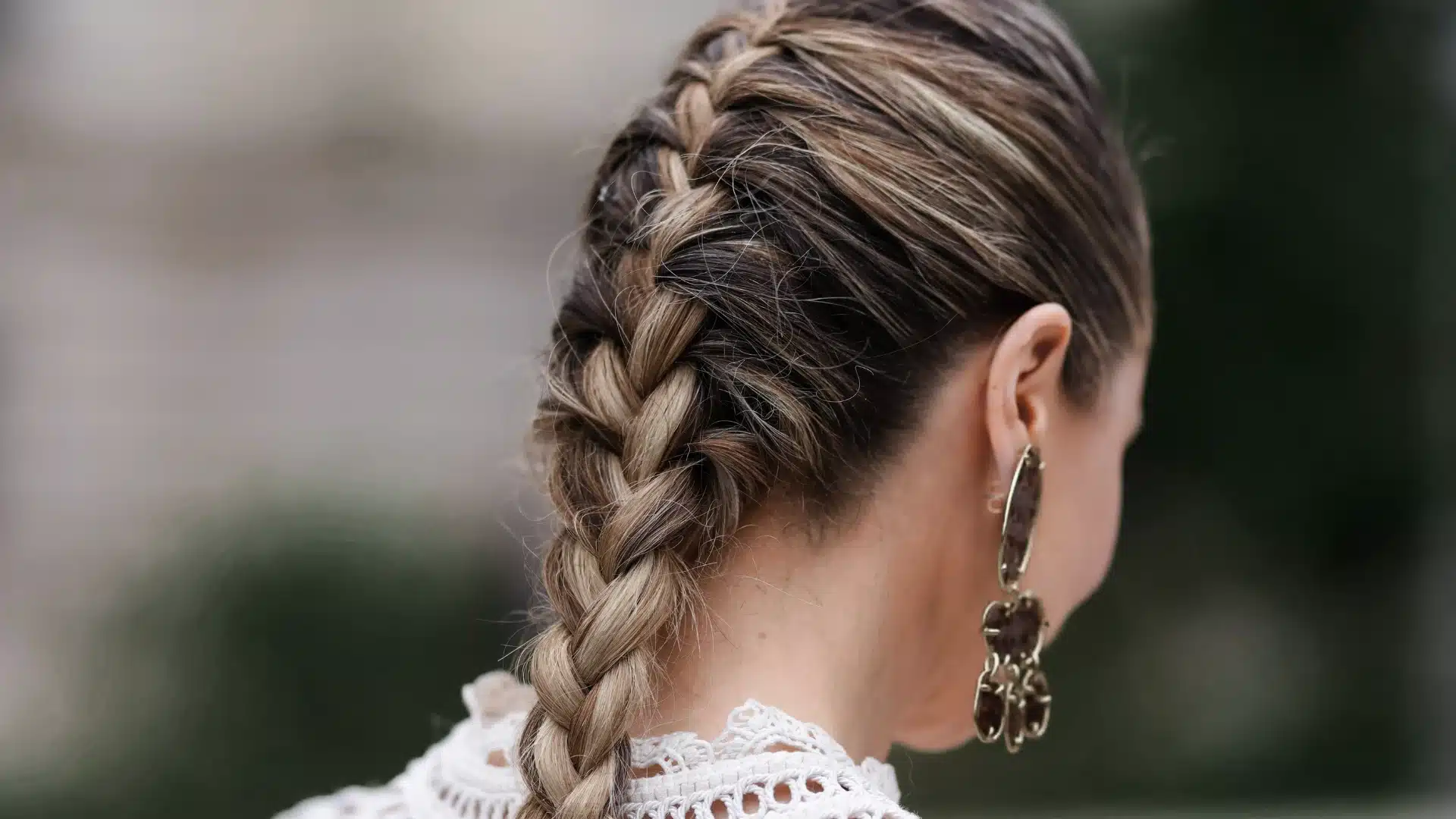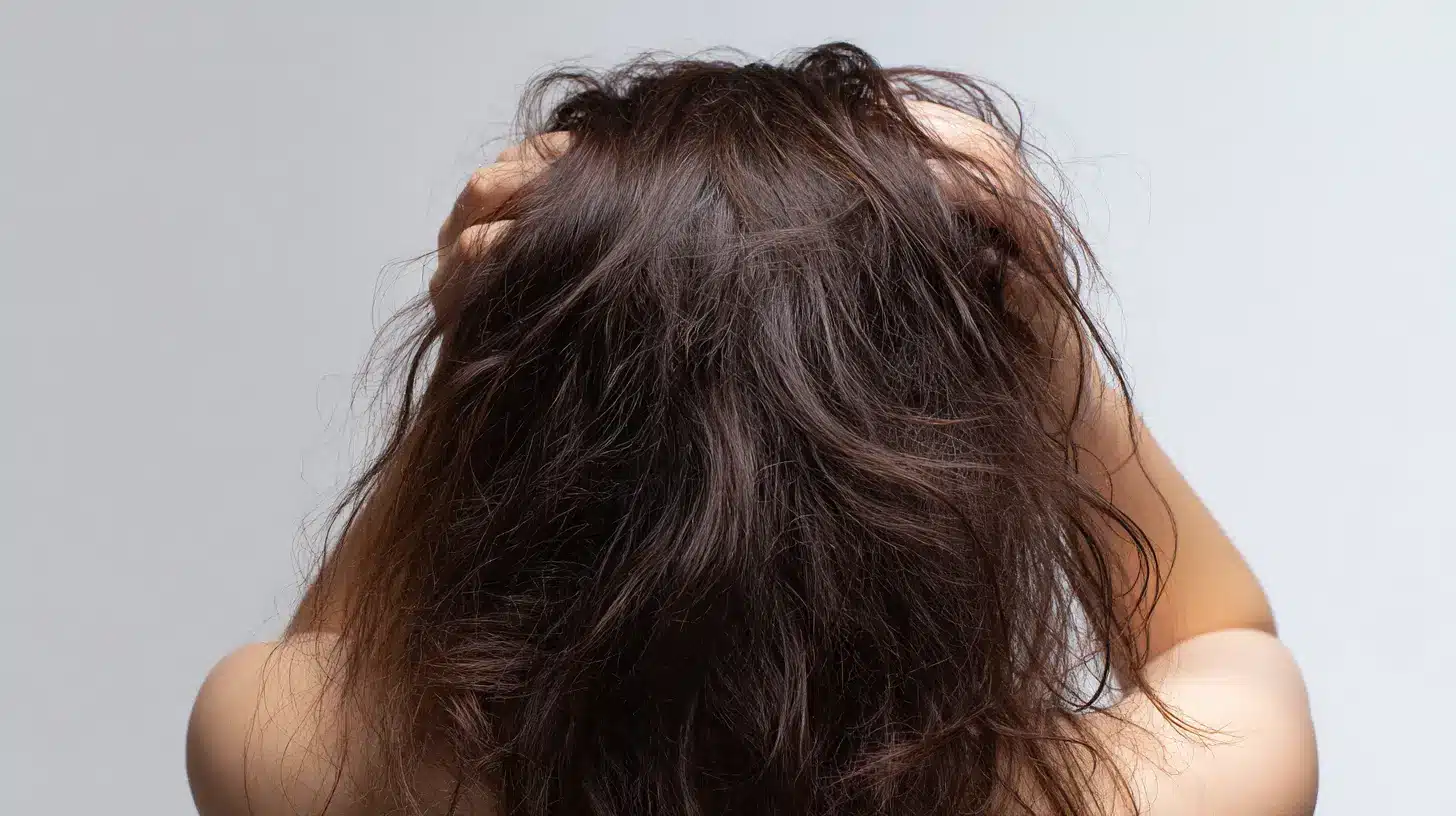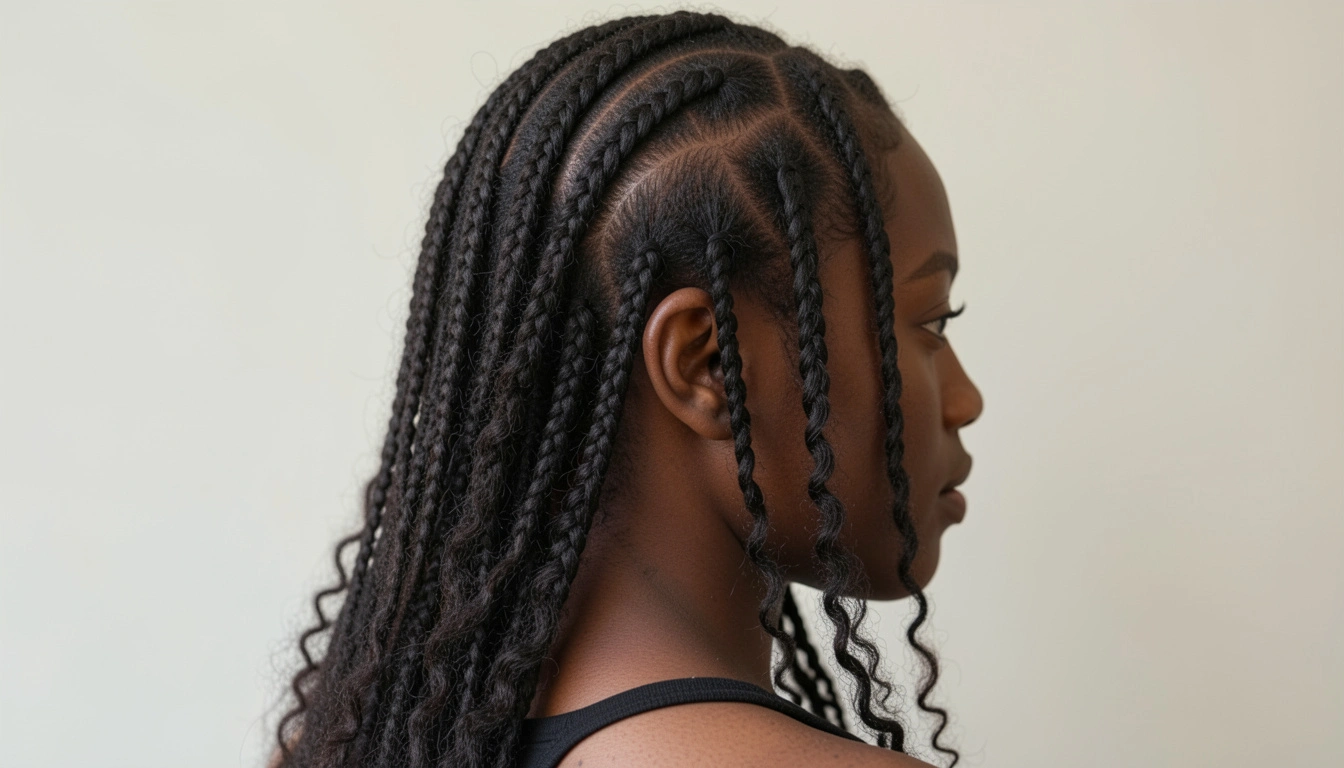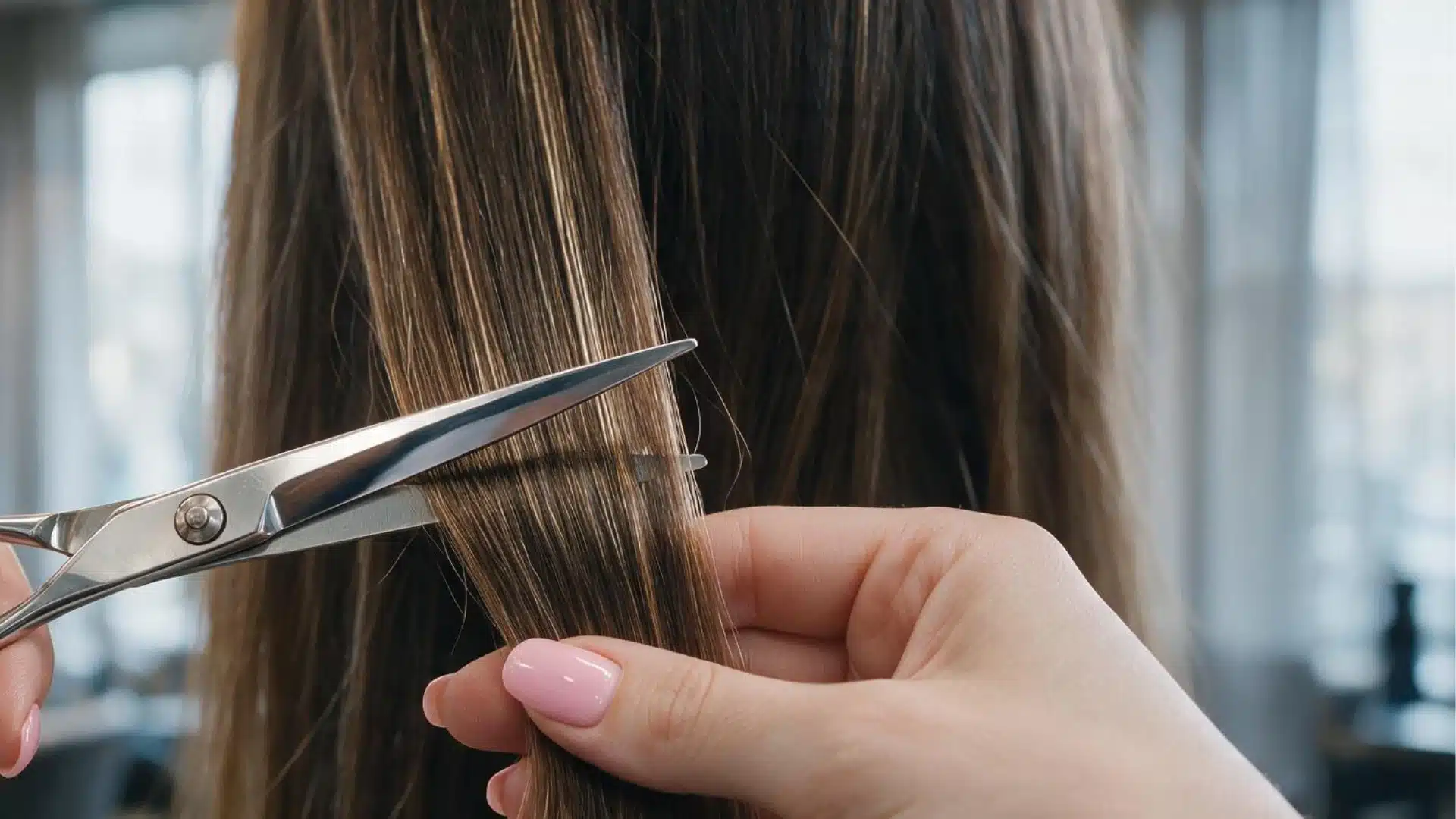
Hair looks great one week, then feels rough and tired at the ends the next. Timing is usually the real reason, not the wrong products. How often you should trim your hair depends on length, texture, and how much heat or color your hair deals with regularly. The question that pops up once in a while is, “How often should
Most Popular
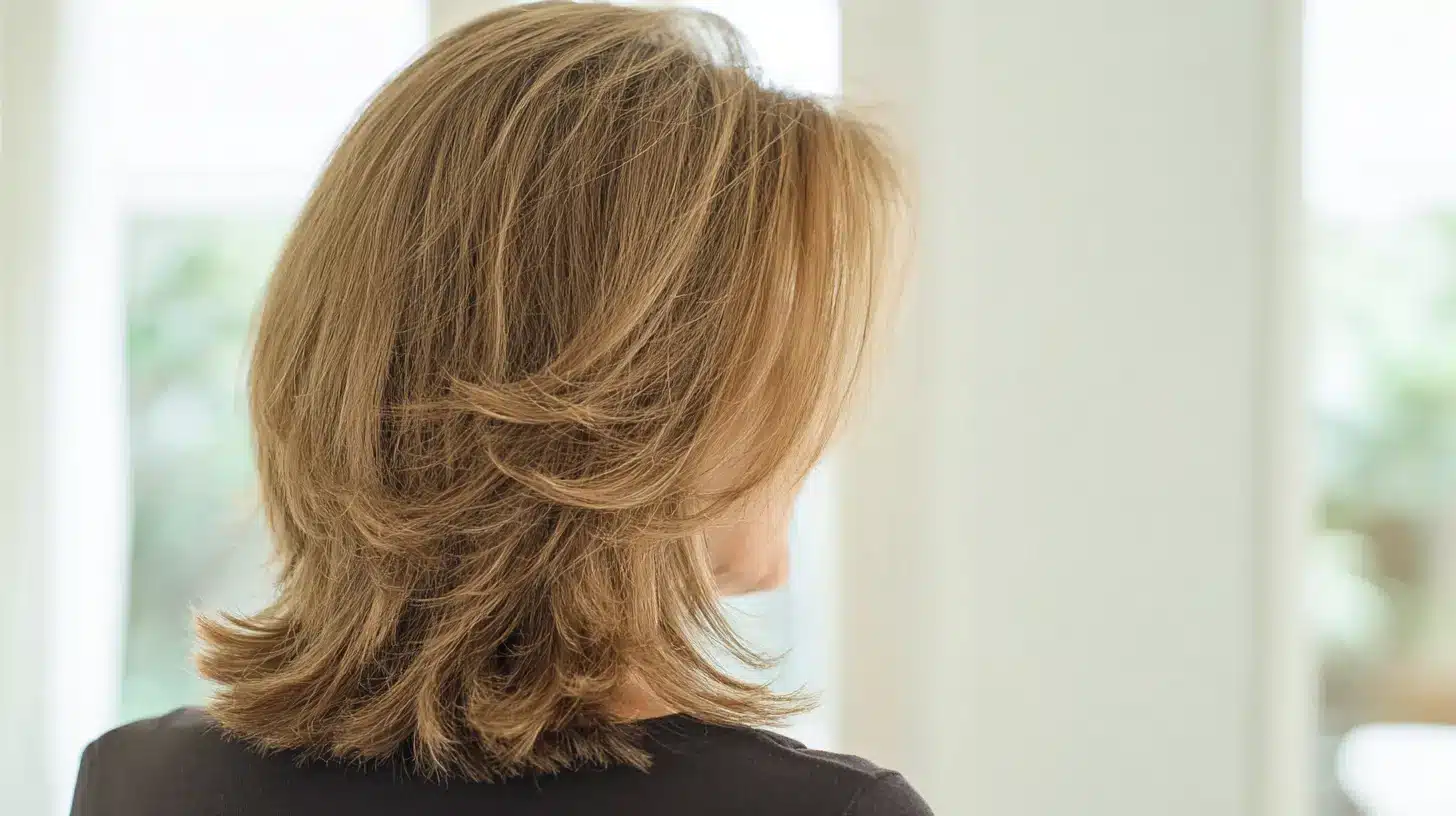
Fine, thin hair changes a lot after fifty, and finding a cut that actually works for it takes more than just picking whatever’s trendy at the moment. Medium-length styles tend to do the most here, adding movement, some fullness that isn’t naturally there, and playing up features without demanding a whole routine every single morning. Soft layers, A classic lob. Something textured around the shoulders. Plenty of options exist depending on what actually suits someone’s face shape and daily lifestyle. Fifteen cuts are below, all built around volume, genuinely easy upkeep, and a look that still feels current rather than dated or overly styled. Fine Thin Medium-Length Hairstyles for Women Over 50 Fine, thin hair needs a cut that actually works with it, not against it. These fifteen medium-length styles bring volume, movement, and shape back in, all while staying easy enough to manage on a regular morning. 1. Layered Lob A layered lob works well for fine, thin hair, holding up better over time than most trendier cuts out there. Soft layers add movement and make hair look fuller without giving up length. Wear it straight for a polished look, or add loose waves for texture. 2. Shoulder-Length Feathered Cut Softness and lift come easily with a feathered cut at shoulder length, framing the face nicely along the way. The feathered layers create the look of thicker strands underneath. Low maintenance too, this one works fine with straight or slightly wavy hair textures. 3. Soft Shag Textured layers add body and dimension here without tipping into choppy territory at all. The whole thing reads relaxed and current rather than overdone or dated. Pair it with bangs or a wispy fringe, and the look ends up feeling youthful with barely any effort. 4. Collarbone-Length Layers Sitting right between short and long, this cut hits a good balance most women appreciate. Strategically placed layers create movement and keep fine hair from going flat throughout the day. Most face shapes suit it well, and it’s easy enough to style in the morning. 5. Textured Bob With Layers Soft layers on a bob give fine hair a fuller, more voluminous feel overall without adding much weight. The texture keeps hair from lying flat while staying lightweight at the same time. A blow-dry with a round brush brings out even more body and movement. 6. Wispy Layered Cut Wispy layers create a light, airy finish that makes thin hair look softer and fuller than it actually is. Just enough weight comes off to add movement without losing the overall shape entirely. Good option for anyone after something natural-looking and low-effort. 7. Side-Parted Lob A deep side part instantly creates the look of extra volume right at the roots of the hair. Combined with a medium-length cut, the whole thing reads modern and put together. Easy to style too, working for casual days and dressier occasions alike. 8. Classic Shoulder-Length Layered Hair A classic shoulder-length layered cut has stuck around for good reason over the years. Gentle layers add natural volume, improve movement, and make fine hair look thicker than it actually is. It’s easy to style and suits a wide range of face shapes and hair textures well. 9. Shoulder-Length Wolf Cut Soft shag layers meet modern texture in this one, adding volume throughout the entire style. The layered shape gives fine hair more movement without ever making it look thinner than it actually is. Loose waves bring out that lived-in, effortless finish even more. 10. Choppy Layered Cut Choppy layers create separation and texture, making fine hair read thicker than it actually is underneath. Volume builds throughout the style, while the length stays manageable day-to-day without much fuss. A texturizing spray adds even more fullness on top of the cut itself. 11. Wavy Shoulder-Length Hair Loose waves bring instant body and dimension into fine, thin hair almost immediately after styling. Paired with a shoulder-length cut, the result looks fuller while keeping a soft, elegant finish overall. A lightweight mousse holds the waves without weighing hair down at all. 12. Straight Layered Lob Sleek but still voluminous, that’s the balance a straight layered lob manages to strike so well. Subtle layers stop hair from looking flat while keeping the lines clean and polished. Works well for anyone who wants something professional and genuinely easy to maintain. 13. Face-Framing Layers Softer facial features come through nicely with layers framing the face and adding movement right up front. The illusion of extra fullness shows up here too, without cutting away too much length from the ends. Pairs easily with most medium-length haircuts available. 14. Butterfly Layers Shorter face-framing pieces meet longer layers in this trendy cut, building volume and movement together throughout. Fine hair reads fuller this way while length stays completely intact. Especially flattering for anyone who regularly likes styling their hair with soft waves. How to Choose the Right Medium-Length Hairstyle for Thin Hair? Face shape, hair texture, and lifestyle all factor into which cut actually looks flattering and holds up day-to-day. 1. Consider your face shape: Face shape matters more than people expect when picking a flattering cut. Face-framing layers suit round faces well, while shoulder-length cuts with soft waves work better for square or heart-shaped faces. 2. Add layers for volume: Layers are really one of the best tricks for making fine, thin hair look fuller. Soft, textured layers build movement and lift without stripping away too much density from the ends. 3. Choose the right bang style: The right bangs add dimension and pull attention toward the eyes and cheekbones. Curtain bangs, side-swept bangs, and wispy fringe blend nicely with medium-length cuts while creating fuller-looking hair. 4. Think about your daily styling routine: Match the cut to how much time you actually spend styling each morning. A low-maintenance routine calls for a layered cut that dries naturally with little to no heat styling. Getting More Volume from Medium-Length Hair A solid styling routine can make fine, medium-length hair look fuller without touching the actual cut. These tricks lift roots, add dimension, and give hair a thicker, healthier feel overall. Use a Volumizing Shampoo A volumizing shampoo clears out excess oil and product buildup without weighing hair down in the process. It lifts roots and sets up a fuller base before styling even starts. Pairing it with a lightweight conditioner on just the mid-lengths and ends works best. Blow-Dry Your Roots Upside Down Drying hair upside down lifts the roots and creates volume that actually looks natural rather than forced. Using a round brush while drying shapes hair and adds movement along the way. Finishing with a cool shot of air locks in volume and cuts down on frizz. Avoid Heavy Styling Products Heavy creams, oils, and waxes flatten fine hair fast, making it look thinner than it already is. Lightweight mousse, volumizing spray, or texturizing products add body instead, without leaving hair feeling greasy or weighed down by the end of the day. Get Regular Trims Trims every six to eight weeks clear out split ends and keep a hairstyle looking genuinely fresh. Healthy ends read as thicker overall, and maintaining the cut’s shape helps hold onto movement and that natural-looking volume for longer stretches. Add Dimension with Highlights Subtle highlights or lowlights build depth into fine hair, making it look fuller than it actually is. Soft color variation reflects light differently across strands, creating the illusion of more thickness. Natural-looking shades that blend with the base color work best here. Conclusion The right medium-length cut can make fine, thin hair look fuller while still working with existing features after 50. Soft layers, a textured lob, a shoulder-length cut- whichever direction adds movement and volume tends to give a more youthful overall look. Pair the cut with the right styling habits and regular trims to keep it holding up well. Plenty of flattering options exist here, enough to find something that fits hair type, lifestyle, and personal taste while still making the most of naturally fine hair. Frequently Asked Questions (FAQs) 1. Does Medium-Length Hair Make Fine Hair Look Thicker? Yes, medium-length hair is often ideal for fine hair because it adds movement without the weight of longer styles, helping create the appearance of fuller, thicker hair. 2. Can Women Over 50 Wear Layered Hair without Looking Outdated? Absolutely, modern layered haircuts with soft texture and face-framing pieces create a fresh, flattering look for women over 50 without looking dated. 3. How Often Should Women Over 50 Trim Medium-Length Hair? Most stylists recommend trimming medium-length hair every six to eight weeks to maintain its shape, remove split ends, and keep it looking healthy.
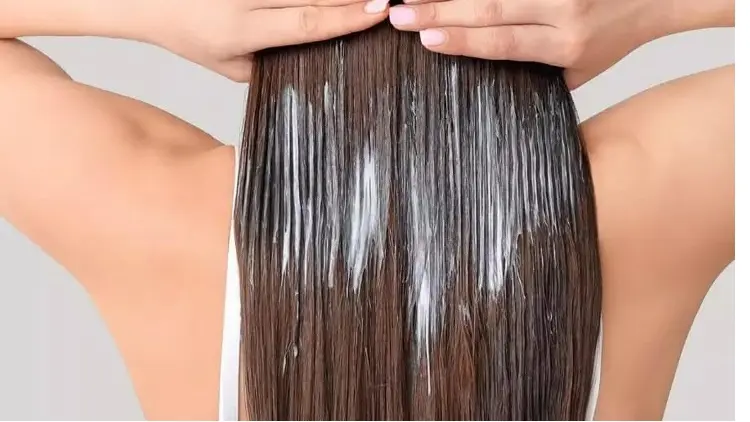
At some point, we have all wondered how to use leave-in conditioner. Most people own leave-in conditioners, but very few use them correctly. Use too much leave-in conditioner, and your hair becomes flat and greasy by midday; use too little, and it will have no effect whatsoever. So, let’s learn how to use leave-in conditioner and get that smooth hair. Really Cool Benefits of Using a Leave- In Conditioner The benefits of using leave-in conditioners are numerous and really are a game changer for all hair types. They complete your hair care routine, and the results are almost immediate. A lot of problems can be tackled using leave-in conditioners; the changes you notice are over time, but it is truly worth it. 1. It Reduces Breakage Wet hair is at its most fragile. A leave-in conditioner coats the strand and softens it just enough so that a comb or brush glides through it smoothly, without breakage from entangled, rough hair. The formulation of leave-in conditioners is designed to treat hair so that it becomes softer and less prone to damage. With a good routine and the right combination, you can repair your hair without using too many products. 2. It Shields Against Heat and Weather Most leave-in conditioner formulas contain a non-greasy and light layer of protection for hair from frizz, heat, and humidity. Using it in different climates or weather conditions according to your hair type can be a game-changer for your hair. It keeps the hair hydrated even after the use of blow-dryers, styling products, flat and curling irons. 3. Adds Softness Without Weight Leave-in conditioners are designed to be left in; they tend to have lighter formulas than deep-conditioning hair masks. So, it adds moisture without adding extra greasy weight to your hair- making it easier for hair to hold light waves or curls and making straight hair look voluminous, not flat. 4. Extends the Life of a Hairstyle You know you have learned how to use leave-in conditioner when it actually helps to extend the duration of a specific hairstyle you choose. Leave-in conditioners mixed with hair styling products just add extra hold and hydration, and it help the hair look cleaner and more salon-like. Hair after styling looks better on the second or third day. Leave-in conditioners help with holding curls or waves, making them look voluminous and shiny. Step by Step: How to Use Leave-In Conditioner? Step 1: Start with Damp, Not Dripping Hair Gently wring your hair or blot it with a microfiber towel until it’s damp but no longer dripping, then apply leave-in conditioner. Applying leave-in conditioner to soaking-wet hair dilutes the product and leaves you reapplying more than you need. Knowing how to use leave-in properly is the right way to use it. If your hair is thick, use leave-in conditioner when it is half damp; if it is very fine or flat, use it when most of your hair is dry and then add some volumizing spray. Step 2: Measure the Right Amount This is where most people go wrong. A coin-sized amount – roughly a dollar coin’s worth- is enough for shoulder-length hair. But also consider the type of hair you have; thicker, longer hair will need a bigger amount, compared to fine, short hair. Always start with less; too much can cause greasiness or make hair look flat. It may take a few tries to get it right. Step 3: Warm It Between Your Palms Rub the product between your hands before it touches your hair. This helps ensure you use the right amount of product and makes it easier to spread over the length and tips of your hair. This spreads it evenly and prevents you from depositing a concentrated blob in one section, which is usually the cause of that “why does one patch feel oily” problem. Choosing a non-greasy leave-in conditioner always helps. Step 4: Apply From Mid-Length to Ends Your roots produce their own natural oil and rarely need extra moisture. Focus the product from the midpoint of your hair down to the ends, where damage, dryness, and split ends tend to live. Do not use leave-in conditioner on the scalp; it clogs the pores on your skin and doesn’t get absorbed by hair either. It further damages your scalp due to the accumulation of excess oil. Step 5: Detangle With a Wide-Tooth Comb Once the product is distributed, run a wide-tooth comb or a detangling brush through your hair, starting at the ends and working upward. This helps detangle knots, increases blood circulation in the scalp, and keeps hair healthy. Usually, detangling knots in hair can be very difficult and cause breakage; using a leave-in conditioner can help smooth out hair. The leave-in creates the slip that makes this step painless. Step 6: Style as You Normally Would Whether you have wavy, curly, coily, or straight hair, using a leave-in conditioner that suits your hair type will always help you style your hair. Air-dry, diffuse, blow-dry, or braid- leave-in conditioner works underneath whatever comes next. It’s a base layer, not a finishing touch. If it is messing up your hair-styling process, you should consider switching to a product that suits your hair type and the way you style it. Leave-In Conditioner vs Rinse-Out Conditioner Feature Leave-In Conditioner Rinse-Out Conditioner Primary Purpose Long-lasting hydration and styling prep. Instant detangling and cuticle smoothing. Application Applied to damp hair and left in. Applied to wet hair and washed out. Formula Weight Lightweight to avoid weighing hair down. Heavier with richer, concentrated oils. Target Area Focuses on mid-lengths to ends. Applied all over (avoiding roots). Frequency Used every wash day or daily for dry hair. Used every time you shampoo. Can You Combine Leave-In Conditioner with Other Hair Products? Some days a leave-in conditioner isn’t the only product you are using for your hair. A lot more goes into styling and hair care. It is natural to wonder if leave-in conditioner can be combined or used with other hair products. Most of them can be, but it depends highly on hair type and weather. Curl Cream Using a leave-in conditioner on damp hair before curl cream is a good way to ensure easier combing and styling. The combination smooths hair, makes it easier to detangle with a wide-tooth comb or fingers, and makes it gentler on the scalp. Use very small amounts of both so that hair doesn’t feel heavy. This is a good combination for people with frizzy and tangled hair. Try to use specific hydrating leave-in conditioners and curl creams to make sure it doesn’t cause acne on the scalp and forehead due to clogging in humid or hot weather. Hair Mousse If volume is your goal, use leave-in conditioner on damp hair, let it air-dry or use a hair dryer, then apply hair mousse can give you the volume and hold you want, along with hydrated, smooth hair. This is good for wavy, curly, or coily hair and avoids frizz and dryness. It gives brilliant hold and volume during humid weather. Hair Oil Using leave-in conditioner with hair oil can actually be quite beneficial for hair, especially dry hair. The combination hydrates hair and gives it smoothness and shine if used properly. Make sure to apply leave-in conditioner first and then apply hair oil. Do not use leave-in on the scalp when using it with hair oil; that will make it extra greasy. Use both on mid-length and tips more for better absorption. This is better to do in winter or dry climates rather than humid weather, to avoid sweating and clogging the scalp and pores. How Often Should It Be Used for Each Hair Type? There is no universal rule for how often leave-in conditioner should be used, but it is important to use it based on your hair texture, weather, and styling frequency. The best way to maximize the use of leave-in conditioners is to use them on damp hair, before any other styling products. It can also be used mid-week to refresh hair, especially if it tends to dry out quickly. Fine or Oily Hair If you have naturally fine or oily hair, once or twice a week, applied lightly and kept away from the roots, is usually enough. Overuse can weigh fine hair down and make it look unwashed faster. Thick, Curly, and Coily Hair These textures tend to be naturally drier, since oil has a harder time traveling down the hair shaft. Daily or every-other-day use is common and often necessary to keep curls defined and frizz-free. Color-Treated or Heat-Styled Hair If your hair sees regular color, bleach, or heating tools, a leave-in used after every wash- and lightly reapplied before heat styling- helps offset the damage that comes with both. Affordable, Well-Loved Leave-In Conditioners It is not necessary to buy a luxury leave-in conditioner to get it to work well. Here are a few reliable, widely available options across price points: 1. OGX Coconut Miracle Oil Leave-In Conditioner OGX Miracle Oil Leave-In Conditioner costs anywhere from $15 to $20. This drugstore favorite is easily available and has an incredible scent. It is perfect for adding shine without heaviness. It is perfect for straight, fine hair and adds volume. 2. Mielle Organics Pomegranate & Honey Leave-In Conditioner Pomegranate & Honey Leave-In Conditioner costs around $10–12. This is a strong pick for coily and highly textured hair that needs extra moisture. It gives your curls the bounce and shine they need while locking in moisture. This is a good choice for people with thick, curly hair. It helps with hydration. 3. Kristin Ess The One Leave-In Conditioner Kristin Ess The One Leave-In Conditioner costs around $14. This is a slightly elevated drugstore option that layers well under styling products. It is weightless and goes easy on your hair, keeping your hairstyle fresh and intact. This serves well for people with fine and dry hair; it refreshes hair and gives it a shine. 4. It’s a 10 Miracle Leave-In Product The It’s a 10 Miracle leave-in conditioner costs between $25 and $33. It is a cult favorite for taming frizz and adding softness across nearly all hair types. It shields your hair from heat and styling products by adding a protective coat. This leave-in conditioner is a great pick for styling dry, frizzy hair. 5. Briogeo Don’t Despair, Repair! Leave-In Conditioning Spray This leave-in conditioning spray costs around $29 to $32. It might be a step up in price, but the product is aimed at renourishing damaged or over-processed hair and helping it stay hydrated throughout the day. Another great choice for people with hair prone to damage and dryness. Final Thoughts Using a leave-in conditioner is not complicated; it’s about understanding your hair, how often you use it, and which product suits your hair best. Leave-in conditioners are like the quiet payoff for your hair, working in the background on damp hair to keep it moisturized and repaired. It’s a small step in your hair-care routine, but it can make a dramatic change in the long run. Frequently Asked Questions (FAQs) 1. How Much Leave-in Conditioner Should I Use? A coin-sized amount for shoulder-length hair, applied from mid-length to ends. 2. Should I Apply Leave-in Conditioner on Wet or Dry Hair? Damp, towel-blotted hair works best, though a small amount can refresh dry hair mid-week too. 3. Can I Use Leave-in Conditioner Every Day? Yes, for thick, curly, or dry hair; fine or oily hair usually does better with once or twice a week. 4. Do I Still Need Regular Conditioner if I Use A Leave-in? Yes. A leave-in adds extra protection and softness but doesn’t replace rinse-out conditioner in the shower.
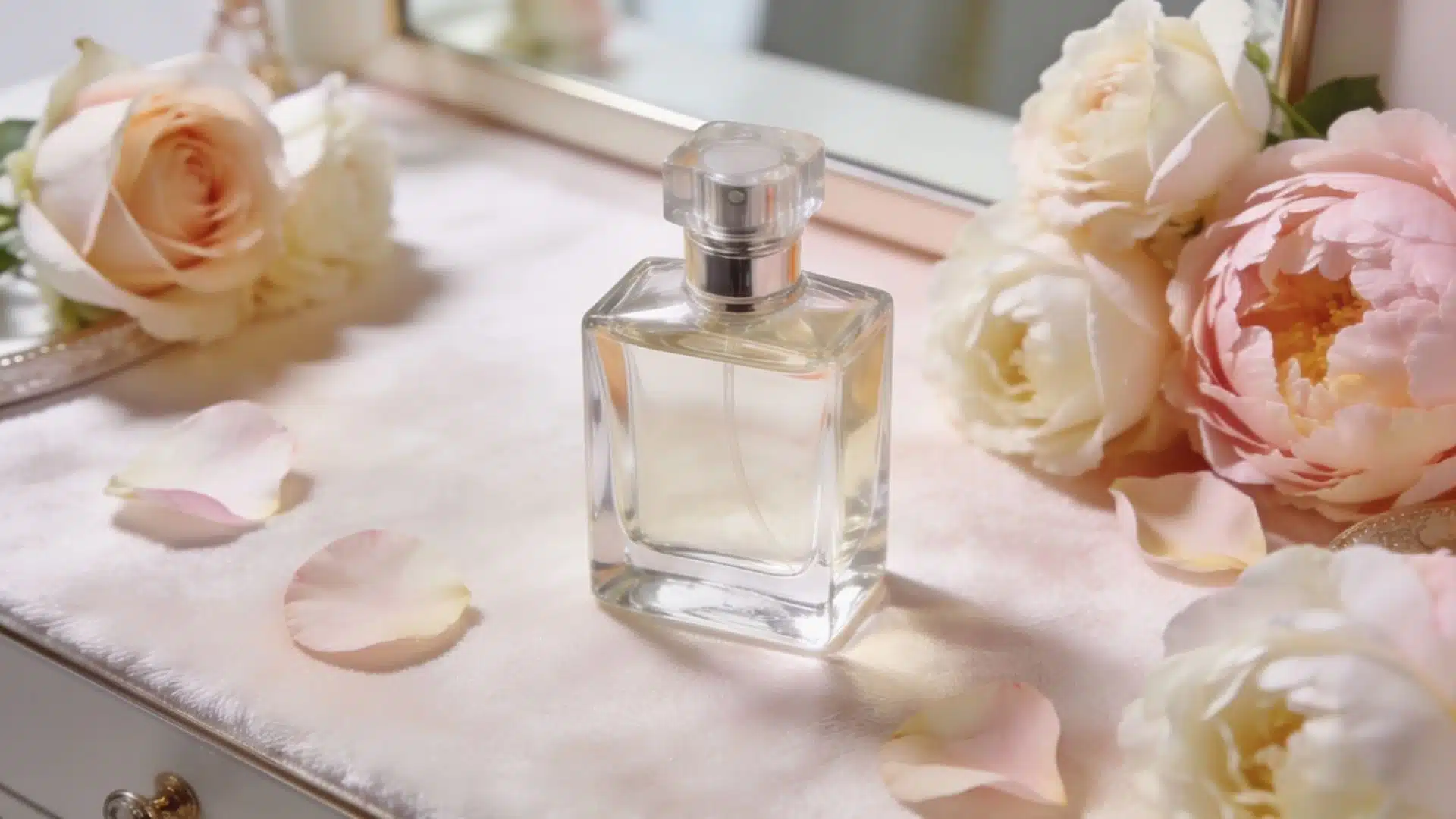
Perfume shopping can feel confusing, since there are so many labels and names in the market. Eau de toilette shows up on every bottle. And it simply indicates how much fragrance oil is in the mix. Eau de toilette is lighter than the perfume, and it fades a bit faster. That makes it great for daily wear and warmer days. The price often sits lower, too, and many shoppers appreciate that. Plenty of people reach for it without knowing the reason behind the name. This manual will break down what eau de toilette means and everything you need to know. What Does Eau De Toilette Mean? Eau de toilette carries a story in its name. The words are French, and they roughly mean “grooming water.” Back in the day, people kept a scented water on the dressing table, or “toilette,” and splashed it on while getting ready. It marked the finish of a wash-up routine. The custom spread across Europe over the years and stuck around. Today the name still points to a gentle scent worn close to the skin, meant for regular, feel-fresh moments. Features Eau de toilette Meaning “Grooming water” in French Fragrance oil Around 5 to 15 percent Rest of the mix Mostly alcohol and water Scent strength Light and fresh How long does it last Roughly 2 to 4 hours Best for Daily wear, work, warm days What Does EDT Mean in Perfume? EDT is just short for eau de toilette. You will spot it on bottles, boxes, and price tags, often printed in small letters near the name. Brands use it as a quick label so shoppers can tell one strength from another at a glance. So when you see “EDT” on a scent you like, it points to the lighter version of that fragrance. The letters signal a scent with a smaller share of oil, around 5 to 15 percent. That lower amount shapes how the fragrance behaves on your skin. It stays soft, feels fresh, and works well for regular days. In short, EDT means an easy, everyday scent. How to Apply Eau De Toilette the Right Way? Using eau de toilette The right way takes just a few simple steps and makes it even more long-lasting 1. Start With Clean, Moist Skin Fragrance clings best to skin that’s dry and lightly moisturized. Dry off fully after a shower, then smooth on an unscented lotion before you spray. Wet skin can water the scent down, while lotion gives the oils something to hold onto. 2. Aim For Your Pulse Points Focus your sprays on pulse points like the wrists, neck, behind the ears, inner elbows, or behind the knees. These warm spots give off gentle heat all day. That warmth helps the scent lift off your skin and spread softly around you. 3. Use The Right Amount Eau de toilette is a lighter fragrance, so 3 to 5 sprays are usually enough for a balanced scent. Hold the bottle about 4 to 6 inches away from your skin when applying. Avoid using too much, as an overpowering fragrance can bother you and those around you. 4. Spray, Don’t Rub Resist the urge to rub your wrists together after spraying. That motion crushes the scent molecules and speeds up the fading. Let the fragrance dry naturally on your skin. Give it a moment to settle, allowing the scent to develop smoothly and wear evenly throughout the day. 5. Store it Well Keep your eau de toilette away from the bathroom, where steam, humidity, and changing temperatures can affect its scent. Instead, store the bottle in a cool, dark place, away from direct sunlight and heat. Proper storage helps preserve the fragrance’s freshness, quality, and character for years. Difference Between Eau De Toilette and Eau De Parfum Eau de toilette and eau de parfum look alike on the shelf, but they differ in a few key ways. Features Eau de toilette Eau de parfum Fragrance oil Around 5 to 15 percent Around 15 to 20 percent Scent strength Light and fresh Richer and fuller How long does it last Roughly 2 to 4 hours Roughly 6 to 8 hours Projection Stays close to the skin Spreads a bit more Best for Daily wear, work days Evenings, special events Price Usually cheaper Usually costs more The gap really comes down to oil. Eau de parfum packs more of it, so the scent lasts longer and lingers for hours. Eau de toilette keeps things light, which makes it easy to wear all day without much fuss. One is not better than the other. It just depends on what the moment calls for. A quiet workday leans toward eau de toilette, while a night out fits eau de parfum well. Bottom Line Eau de toilette is simply a lighter scent, built on a smaller share of oil. It smells clean, sits gently, and asks for a quick refresh now and then. That easy balance is the whole point. You get an easy, wallet-friendly scent for regular days, without the heavier commitment of a full perfume. So the next time a bottle reads “eau de toilette,” the choice feels clear. Are you ready to find one that fits you? Then go and take a sniff of a few, and let personal taste lead the way. Frequently Asked Questions (FAQs) 1. Is Eau De Toilette for Men or Women? It works for both. Eau de toilette is a concentration level, not a gender, so it covers men’s and women’s scents alike. 2. How Long Does Eau De Toilette Last? It usually lasts for about 2 to 4 hours on the skin. A quick spray midday brings it back. 3. Is Eau De Toilette Better for Daily Use? Yes, its light scent suits work and warm days. It smells pleasant without taking over the room. 4. What is the 3:1:1 Rule for Perfume? This is a TSA travel rule: each liquid must be 3.4 ounces or less, all in one quart-sized bag, one bag per person.