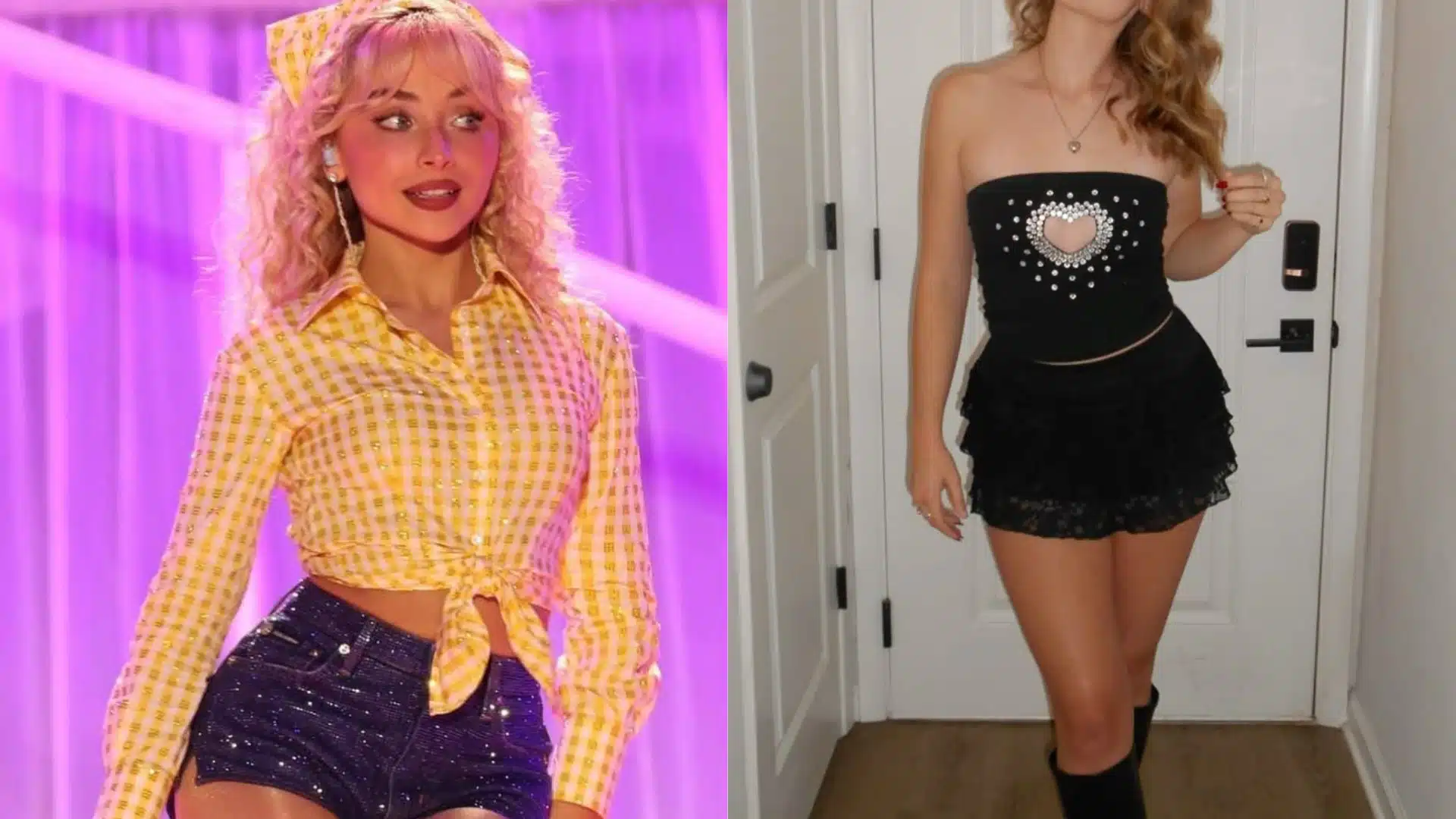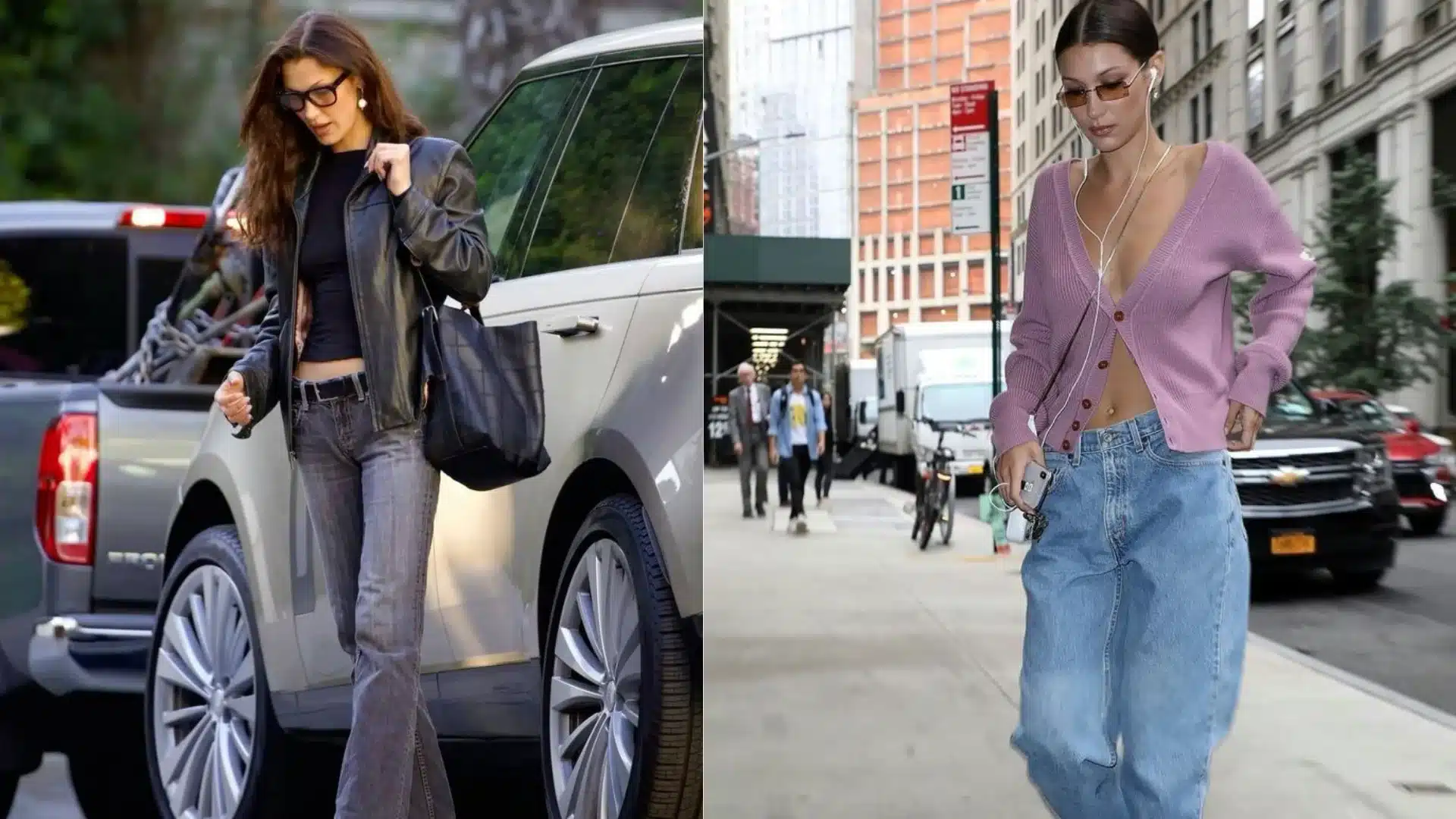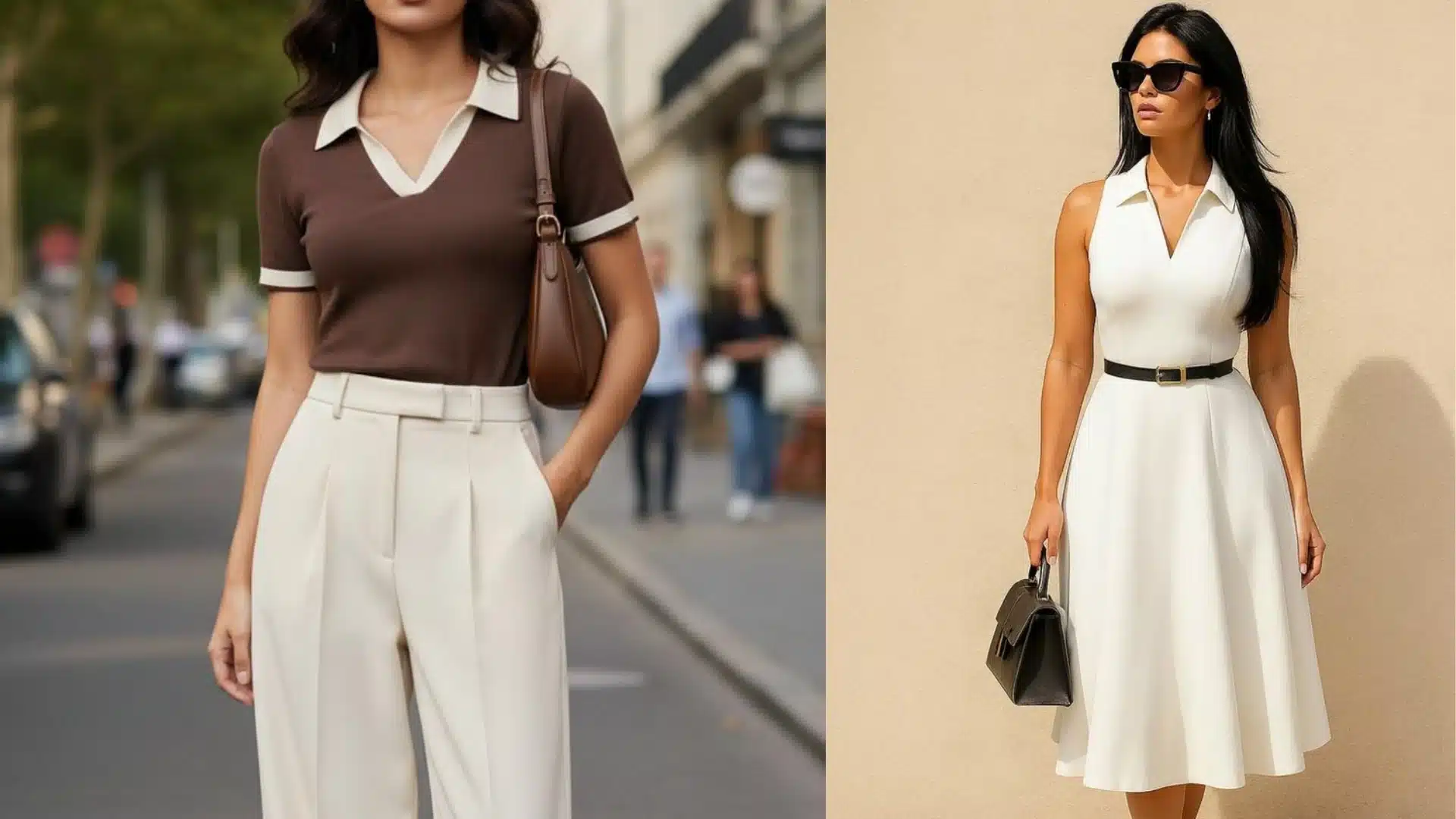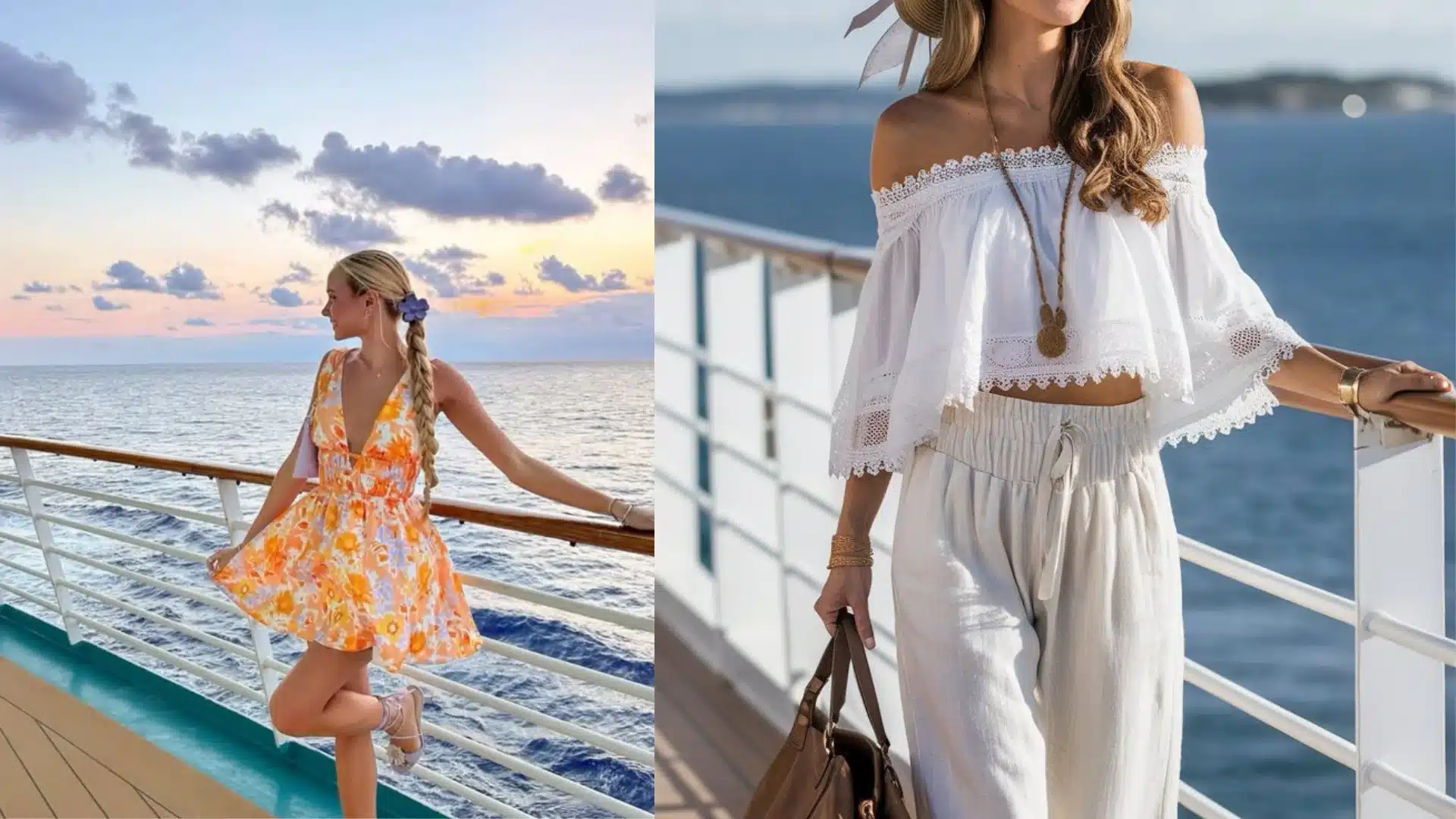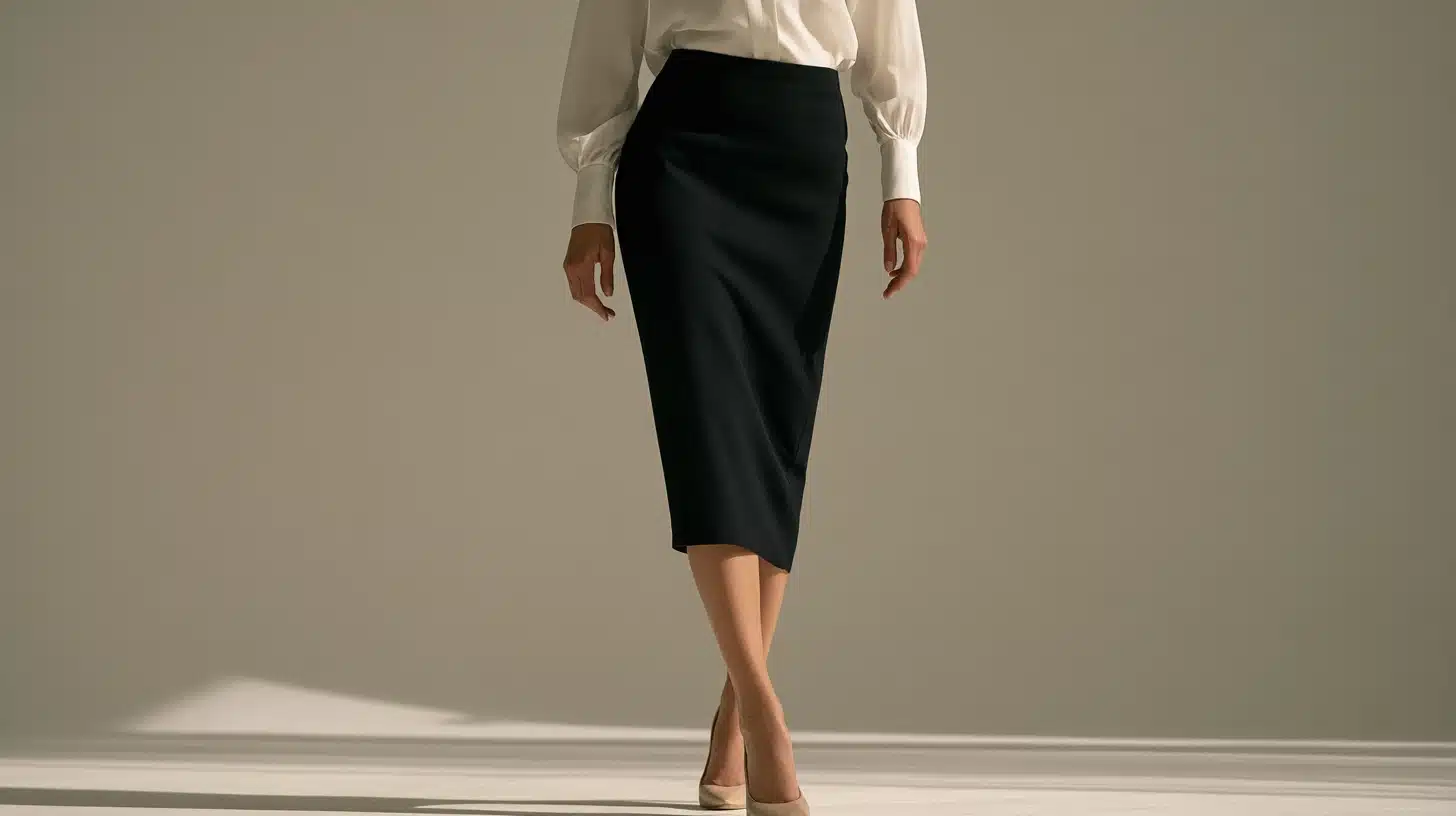
A skirt can make or break an outfit, and everyone knows it. It is one of the most versatile garments, as it can be worn to the office, for casual outings, or at important occasions. But not all skirt styles suit all body shapes. The design, length, and style of a skirt can completely change the look of an outfit.
Most Popular
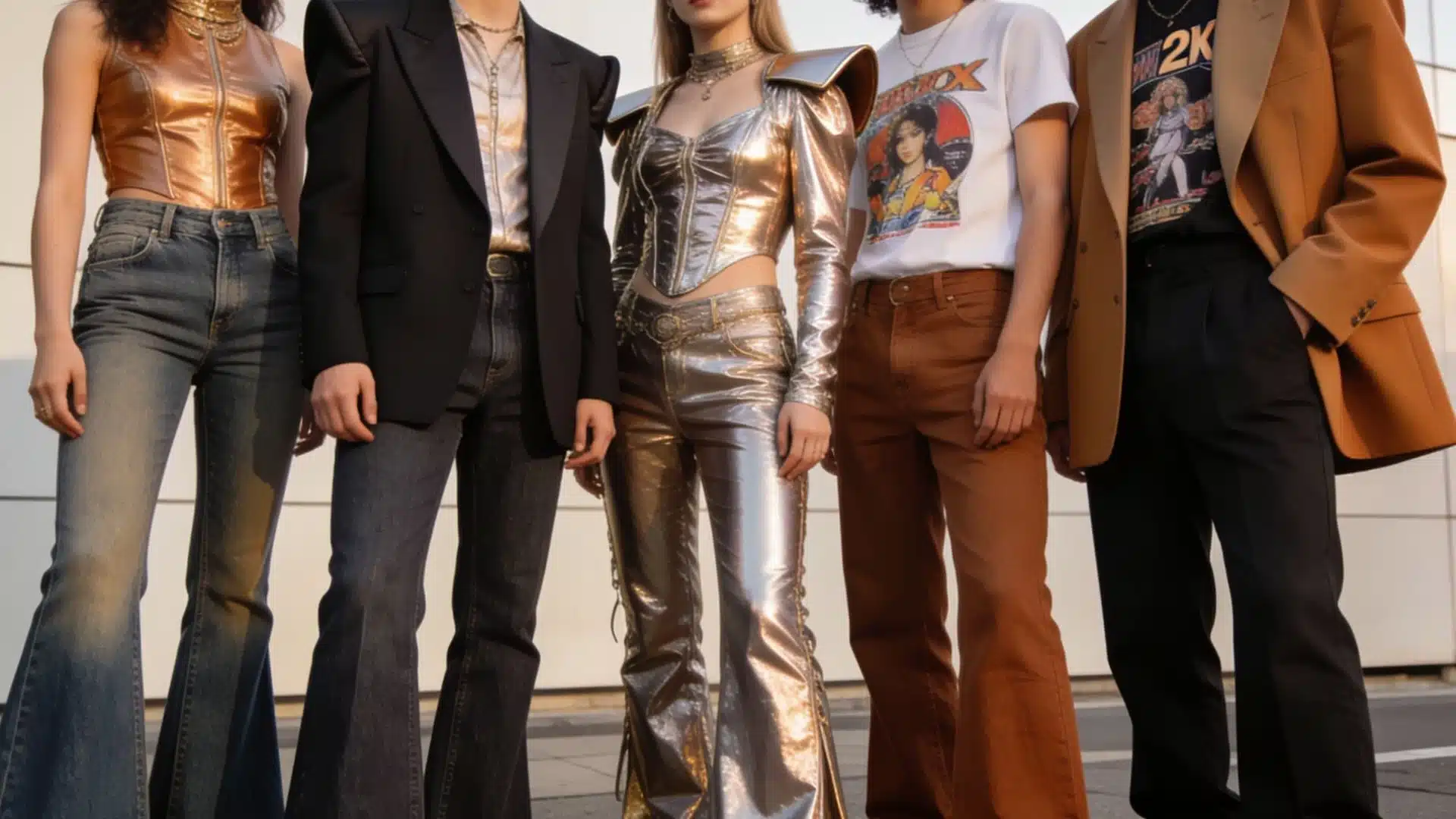
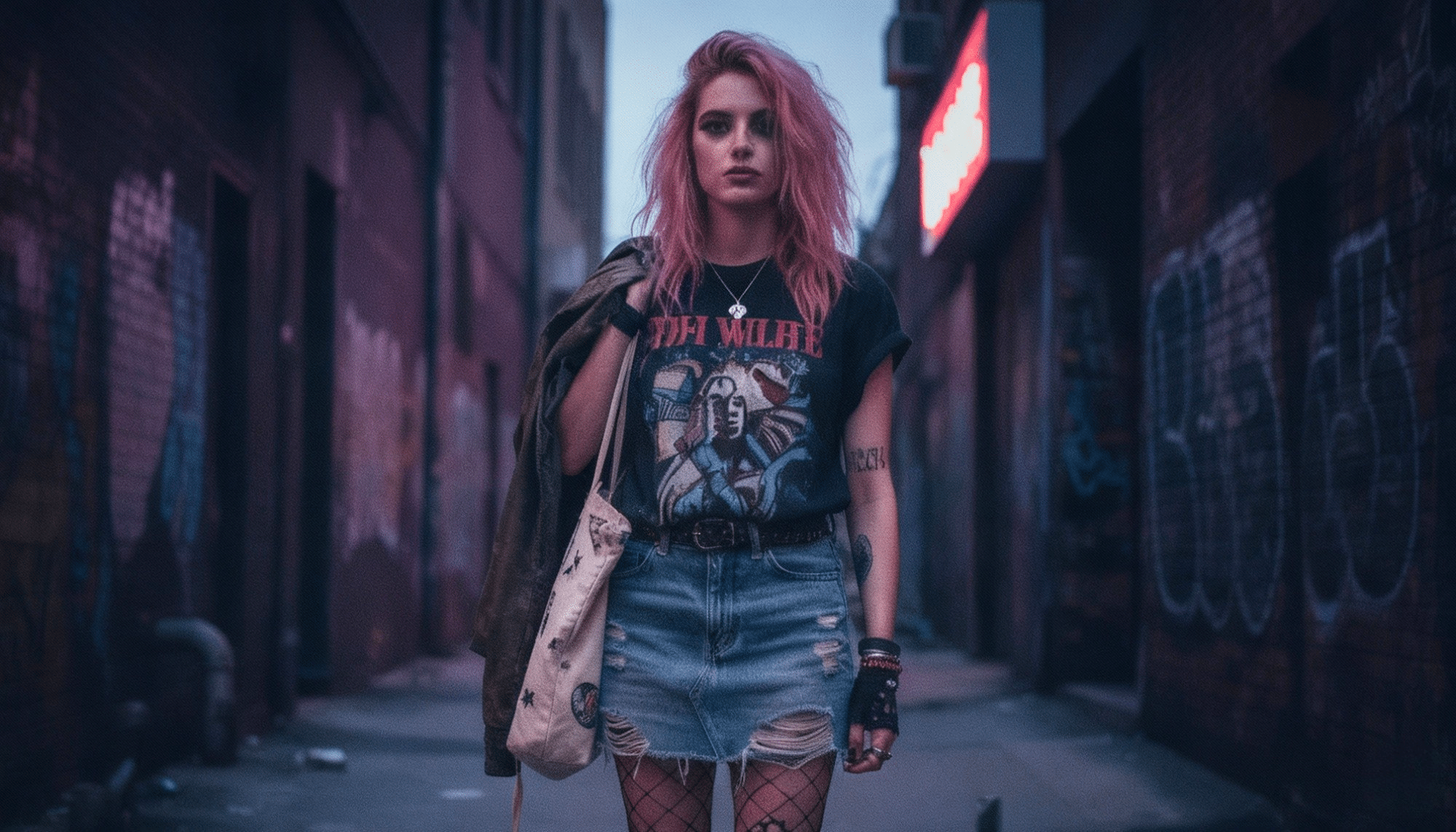
Retro clothing is everywhere this year, and it definitely did not happen by chance. From 90s straight-leg jeans to the early 2000s metallics, past fashion trends have taken over social media, stores, and the streets in 2026. This blog covers what retro fashion means, why it keeps coming back, and how to wear it without looking like you raided a costume box No random picks here, just the looks people are actually wearing. What are Retro Fashion Trends? Retro fashion trends bring old styles back to life. They take looks from past decades, then make them feel new again. Think 70s flares, 80s power shoulders, or 90s straight-leg denim. The word “retro” simply means looking back. So retro fashion is mostly the 1970s through the early 2000s. That’s a little different from vintage. Vintage points to older, original pieces, while retro is more about reviving the style and the mood. Y2K Fashion Meaning: Why the 2000s Are Back Y2K simply stands for “Year 2000”. The name first came from a computer scare. People worried that machines would crash when the clock struck midnight on the new millennium. But today, the term means something very different. Y2K fashion now points to the bold, playful style of the late 90s and early 2000s. So what does that look like? Think low-rise jeans, tiny tops, and shiny metallic fabrics. Add butterfly clips, rhinestones, and chunky sneakers. It was loud, fun, and a little futuristic. So why is it back? The reason is nostalgia. Gen Z loves the fun, carefree feel and mixes it with modern pieces to make it their own. Retro Fashion Trends for Men Looking to add a touch of nostalgia to your wardrobe? The following trends are perfect for 2026: stylish and easy to wear. 1. Straight-Leg Denim (90s) Stylish, simple, and easy to match. This silhouette is right in the middle of skinny and baggy, so it looks great on almost everyone. It goes with a tucked-in T-shirt or an oversized jumper. Mid- or high-rise fits flatter everyone. It is a real all-rounder. 2. Tracksuits and Windbreakers Retro sports clothes are comfortable and trendy. Bright colors from the 90s and a loose fit make them stand out. They get their vintage look through color blocking and logos. The matching suit is already coordinated. And it can be worn while running errands, traveling, or having fun. 3. Vintage Graphic Tees Old band logos and retro prints never go out of style. Each tee adds personality and a story to a look. A faded, worn-in look makes them even better. They pair perfectly with jeans for a casual day. Layer one under a jacket for an easy mix. 4. Corduroy and Bomber Jackets Textured corduroy and classic bombers bring real 70s and 80s charm. Both layer well over tees, shirts, or jumpers. Corduroy adds a soft, retro feel, while a bomber keeps things sporty. And both work as an extra layer without losing any style. 5. Retro Knit Polos Striped or textured knit polos carry an easy 70s vibe. The classic collar makes them smart but never stiff. Wear one with jeans for a casual day. Or pair it with trousers for a clean, smart-casual look. 6. Leather and Denim Jackets Leather and denim jackets are retro staples that never date. Both add instant edge over almost any outfit. A leather jacket brings a tough, cool feel, while denim keeps things casual. Throw either over a tee or dress, and the look sharpens right up. Retro Fashion Trends for Women From flowing dresses from the 70s to Y2K sparkle, here are retro fashion trends for women that will be worth wearing in 2026. 1. Flared Jeans (70s) The flared jeans trend is all the rage. They not only elongate the legs but also add a breezy look. Moreover, the flares help balance a fuller lower body, creating an even silhouette. A fitted top completes the look, while platform shoes bring it right back to the 70s. 2. Power Shoulders (80s) Bold, structured shoulders add instant edge. They make any outfit feel sharp and confident. The shape draws the eye up and creates a strong line. A blazer is the easiest way to try them. A padded-shoulder dress works just as well for a night out. 3. Y2K Metallics Shiny skirts, tops, and bags bring the fun Y2K looks. They catch the light and turn heads fast. Silver and chrome tones feel the most current right now. One metallic piece is usually enough. Pair it with plain basics and let it be the star. 4. Slip Dresses (90s) Slip dresses are a 90s favorite that never really left. The soft, simple cut feels light, easy, and effortlessly cool. Wear one alone for a night out, or layer it over a plain tee for a relaxed daytime look. Chunky boots or sandals balance the soft fabric nicely. 5. Oversized Blazers A roomy blazer feels both retro and modern. It adds shape without feeling stiff. The loose cut looks easy, not formal. Throw it over jeans and a tee for a quick polish. Or layer it over a simple dress to smarten things up. 6. Maxi And Floral Dresses (70s) Flowy maxi dresses carry an easy 70s charm. Soft florals and breezy fabrics give them a bohemian feel. They flatter most shapes and keep things cool all day. Add sandals or boots, and the look is done. Characteristics and Appeal of the Retro Style Retro style has its own look and feel. A few traits recur, and they explain why so many people love it. Bold Colors and Prints Retro leans into color. Think earthy 70s browns, bright 80s tones, and playful 2000s shades. Patterns like florals, stripes, and geometric prints are common too. They add character that plain modern basics often lack. Statement Silhouettes The shapes tell the story. Flared legs, padded shoulders, and roomy cuts all stand out. Each decade has its own signature line. And that strong shape is what makes a piece read as retro. Fun, Expressive Details Small touches make a big difference. Metallic fabrics, chunky buttons, butterfly clips, and bold logos all count. These details feel playful rather than serious. So an outfit shows personality fast. A Comfortable, Easy Fit Lots of retro pieces are relaxed by nature. Loose denim, soft tees, and flowy fabrics feel good all day. Comfort is a big part of the appeal. And comfort never really goes out of style. A Nostalgic, Feel-Good Factor Retro taps into memory and mood. A print or shape can bring back music, movies, or a favorite decade. That warm, familiar feeling is a big part of the pull. And it works even on people who never lived through those years. How to Build Modern Outfits Using Retro Fashion Trends? Mixing old and new is easier than it looks. It comes down to balance. Get that right, and these simple steps make retro easy for anyone to pull off. Pick one standout retro piece, like flared jeans or a metallic top, and build the outfit around it. Pair it with modern basics, a vintage tee with plain straight-leg jeans, say, so the retro piece doesn’t feel like a costume. Keep everything else plain and neutral so that piece stays the focus. Ground the look with modern footwear, like clean white sneakers or simple ankle boots. Then add one or two small retro accessories, tinted sunglasses, a tiny bag, layered necklaces, and stop there. Conclusion So that’sretro fashion trends in a nutshell. They take the best looks from past decades and mix them with what you already own. And honestly, that’s why they keep coming back. They let anyone show personality without buying a whole new wardrobe. Pick one trend from this blog and try it this week, maybe those flared jeans or a vintage tee. Your closet has more retro potential than you think. Frequently Asked Questions (FAQs) 1. What is the 3-3-3 Fashion Rule? The trick is easy: select 3 tops, 3 bottoms, and 3 pairs of footwear. It becomes simple to wear many outfits using just those nine clothing items. 2. When is the Clothing Piece Called “Vintage” in 2026? The clothing piece is considered “vintage” if it is 20 to 100 years old. Thus, a vintage piece can be from the 1920s to 2006. 3. What Can Beginners Do to Wear Retro Clothes? It can be started by wearing only one retro piece, such as a vintage tee or a pair of flared jeans with modern basics.
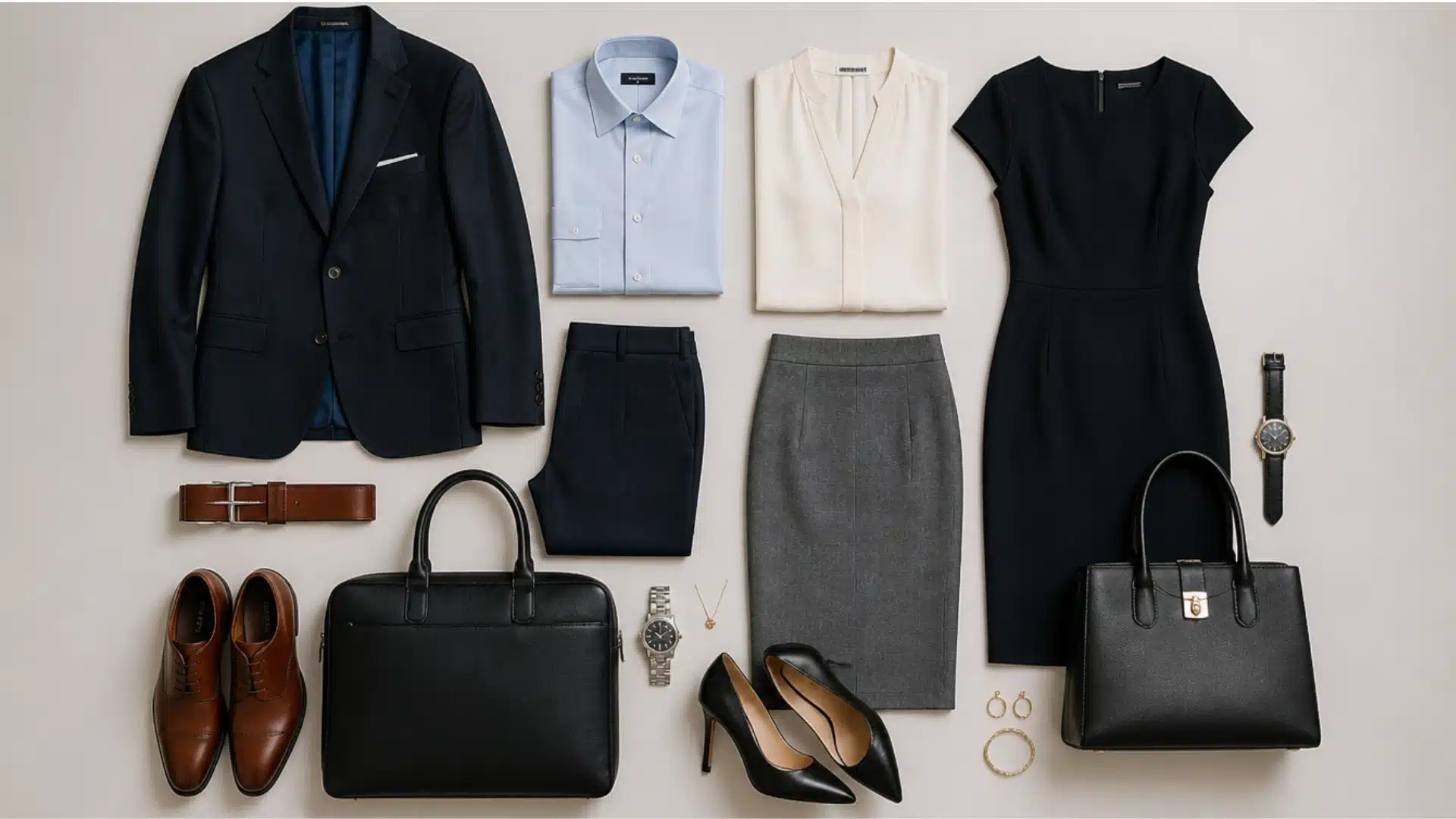
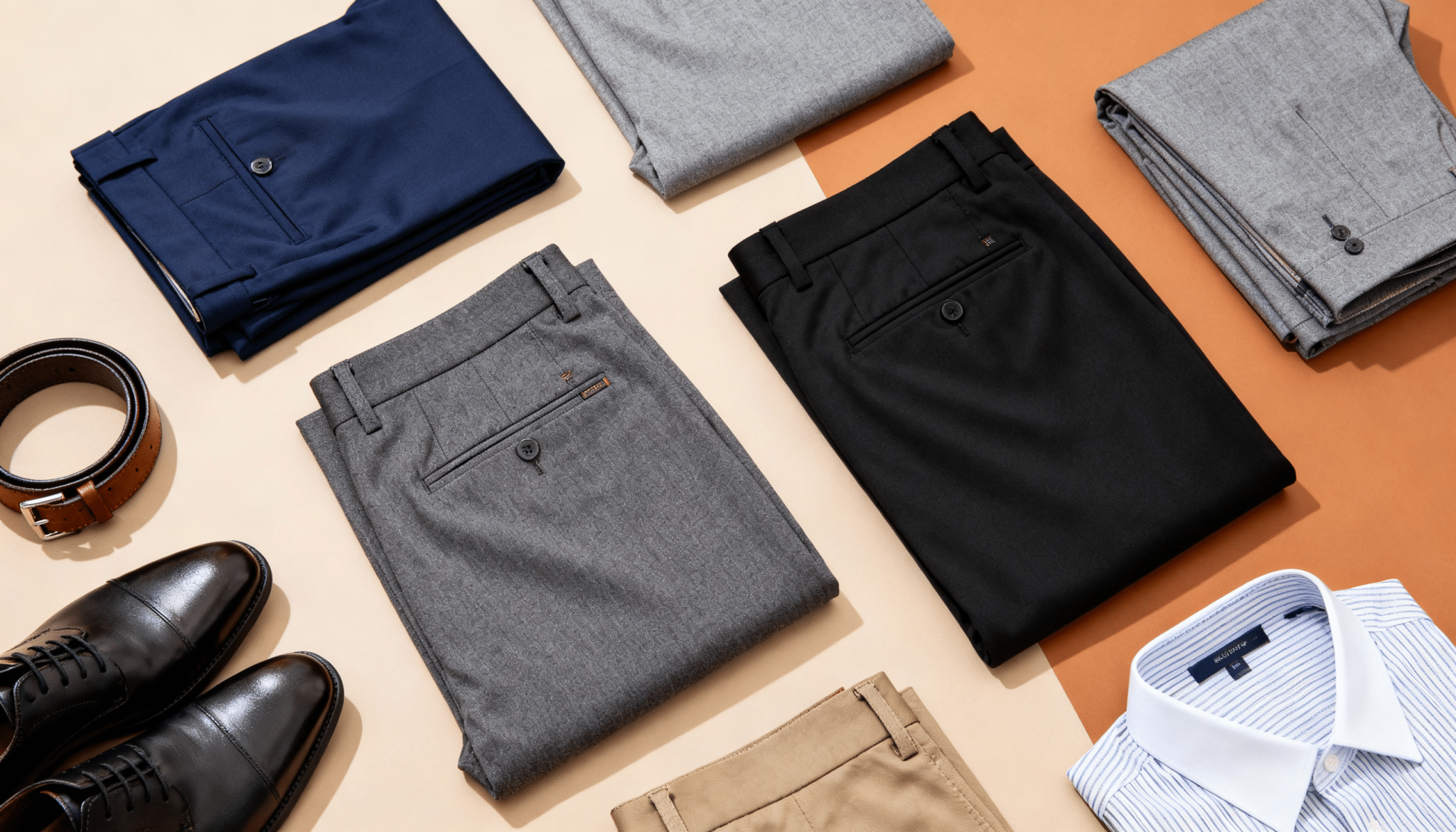
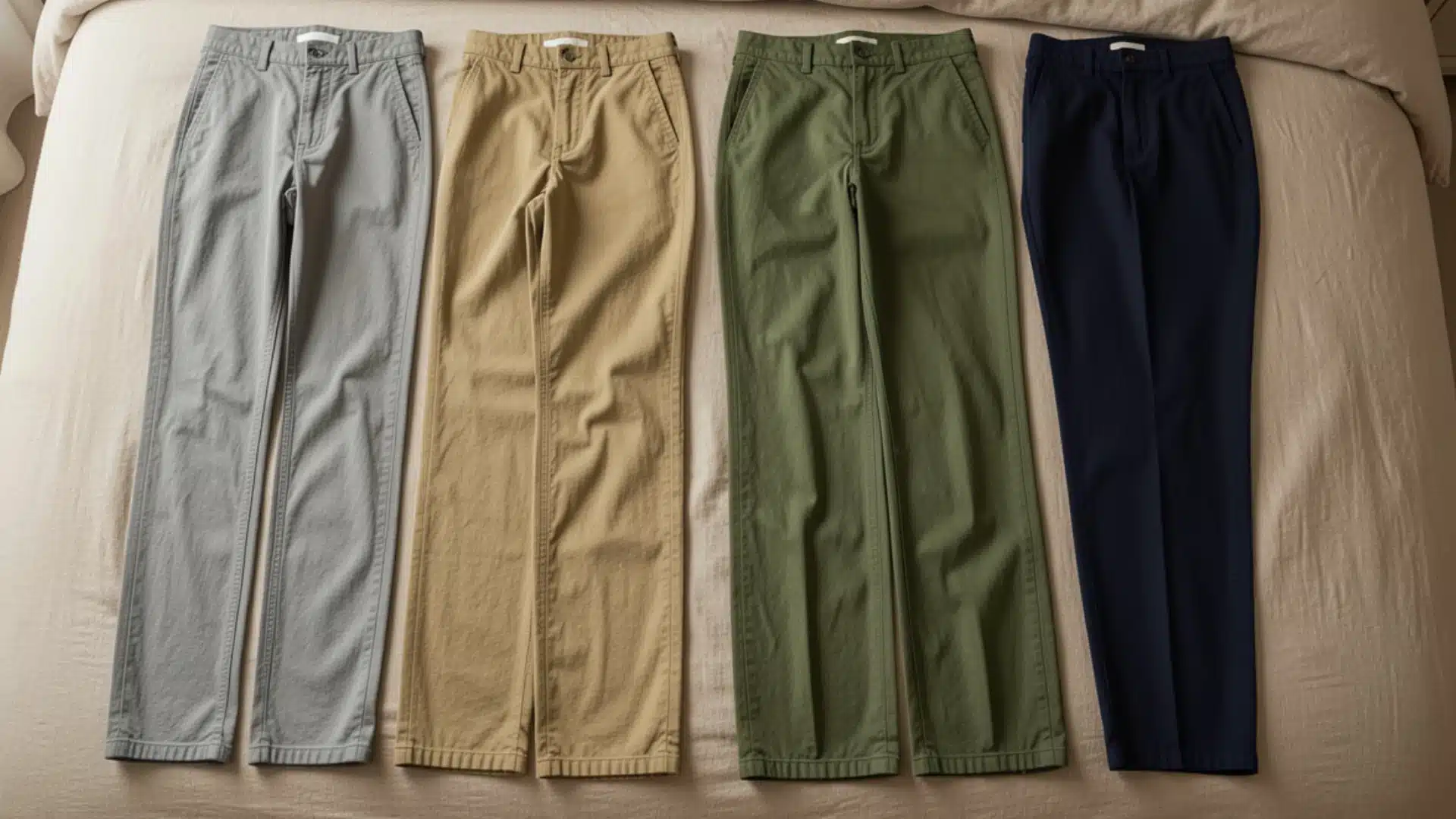
Figuring out what to wear when an invite just says “business casual” or “smart casual” can feel like a guessing game. The two terms are often used interchangeably, but they’re not the same, and getting it wrong can mean showing up overdressed in a blazer and tie when everyone else is in dark jeans, or underdressed the other way around. Part of the confusion makes sense. Both dress codes sit somewhere between a full suit and weekend clothes, and both allow blazers, button-downs, and closed-toe shoes. But the details, like whether jeans are okay or how bold a color choice can be, matter once an office policy or invitation is involved. Understanding business casual vs smart casual before getting dressed takes the guesswork out of the equation. What is Business Casual? It is a workplace dress code built around polish without the full formality of a suit and tie. Think collared shirts, fitted trousers or chinos, closed-toe shoes, and optional blazers. It’s the standard uniform for offices, client meetings, and interviews where you need to look put-together and professional, but a full suit would feel like overkill. The dress code leans conservative. Colors tend to stay neutral, fabrics stay structured, and there’s little room for anything too casual, like graphic tees, flip-flops, or ripped denim. What is Smart Casual? Smart casual takes a more relaxed approach while still avoiding sloppiness. It mixes casual pieces, like jeans or sneakers, with dressier elements, like a blazer or a button-down shirt. The result is an outfit that looks intentional and current without following strict workplace rules. This dress code shows up most often at dinners, networking events, casual weddings, and social gatherings where ‘casual’ alone would feel underdressed. Business Casual vs Smart Casual: Key Differences Both might look similar at a glance, but they’re built around different priorities. The former follows a narrower set of rules meant to keep an office looking consistent and professional, while the latter leaves more room for personal style as long as the outfit still feels put-together. Aspect Business Casual Smart Casual Formality Structured and conservative More relaxed and personal Color Approach Neutral, muted tones Wider range, bolder choices Fit and Silhouette Tailored, closer to fitted Relaxed, room to experiment Layering Style Blazer nearly always included Jacket optional, more casual layers allowed Footwear Formality Dress shoes expected Sneakers and casual shoes accepted Accessory Approach Minimal and understated Room for statement pieces Overall Flexibility Narrower, rule-based Broader, more room for personal style What to Wear for Business Casual? These outfits come together through a handful of predictable pieces: collared tops, tailored bottoms, and closed-toe shoes. Some pieces work for anyone, while others tend to get styled differently depending on who’s wearing them. Choices for Men A men’s wardrobe centers on a few reliable staples that mix and match easily across the workweek, with fit mattering more than trends. Shirts Button-down shirts in cotton or linen blends work well, along with polos for a slightly more relaxed office. Solid colors, small checks, and thin stripes all stay comfortably within the dress code, while large graphics or bold logos are best skipped entirely. Trousers and Chinos Dress trousers and chinos in navy, gray, khaki, or black form the base of most outfits in this category. Linen looks sharp for photos but wrinkles fast, so it’s a tougher pick if you’re in back-to-back meetings all day. Slim or straight fits look sharpest overall, and cuffed hems work especially well when paired with leather loafers or derbies. Shoes Leather loafers, oxfords, and derbies are the safest picks for nearly any setting like this, giving a polished finish to trousers and chinos alike without requiring much extra thought or effort. Accessories Match the belt to the shoes, keep the watch simple, and carry a structured bag. Anything louder starts to look like you’re trying too hard. A tie stays optional in most offices but is worth keeping on hand for client meetings. Options for Women For women’s business casual attire, you can wear dresses, skirts, or trousers, as all can be worn professionally in office environments. Shirts and Blazers Silk and cotton blouses, fitted knit tops, and button-ups all work for business casual. Tops should be solid or lightly printed, and should avoid sheer fabric or low-cut necklines. Trousers and Skirts Structured trousers, straight-leg pants, and pencil skirts in neutral colors fit any office environment and pair easily with other pieces. Pleated trousers and midi skirts are also a great option for a softer look. Dresses Sheath, wrap, and shirt dresses in solid colors or light patterns fit the dress code and don’t need a jacket. Shoes It is recommended to wear closed-toe pumps, block heels, and loafers with these outfits. Flat shoes are also a good choice for offices with a lot of walking and standing during the day. Accessories A structured tote and small stud earrings are safe bets. Save anything chunkier or more colorful for outside the office. A slim watch or a simple bracelet also works well without feeling out of place in an office setting. What to Wear for Smart Casual? Smart casual outfits follow the same idea: pair one relaxed piece, like jeans or sneakers, with one polished piece, like a blazer or leather shoes. That balance keeps the look from tipping too far in either direction. Choices for Men Smart casual for men gives more room to experiment with fit, texture, and color than business casual allows, while still avoiding anything that reads as too casual for the occasion. Shirts and Polos Button-downs, fitted knit polos, and even patterned shirts all work well for smart casual outfits. A quality T-shirt layered under a jacket can also pass for smart casual at more relaxed events or evening gatherings. Trousers and Jeans Dark, well-fitted jeans are a smart casual staple for men, along with chinos in neutral or muted colors. Avoid distressed denim or anything with visible wear, since worn-out fabric reads as too casual. Shoes Loafers worn without socks and Chelsea boots are strong smart casual picks for men, pairing easily with both jeans and chinos for a finished look. The no-sock look is best saved for warmer months since it gets uncomfortable once temperatures drop. Accessories A leather watch does most of the work here. A pocket square is a nice touch if the shirt calls for it, but it’s the first thing to cut if you’re unsure. A structured backpack or leather bag also works well for daytime smart casual looks. Choices for Women For smart casual attire for women, the options are varied, including dresses and jeans, as it is one of the most versatile dress codes to purchase and style. Blouses & Tops Some good tops include silk camisoles, knit shirts, and printed shirts. It gives women more variety in colors and prints than the business casual dress code. Trousers, Skirts, and Denim Trousers with wide legs, fitted dark blue or black jeans, and midi and mini skirts are some of the options that go well with this dress code. Pairing casual jeans with a dressier shirt or blazer keeps the look from feeling overly casual. Dresses and Jumpsuits The smart casual dress code allows wrap dresses, slip dresses, and jumpsuits, especially when worn with heeled footwear. Footwear Sandals and ankle boots provide a good variety for women in smart casual clothing, unlike in business wear. Accessories This is where smart casual has more room than business casual; statement earrings or a bold bag actually work here, rather than something to avoid A silk scarf or a bold cuff bracelet also adds personality without feeling out of place. When to Wear Business Casual vs Smart Casual? The situation decides this, not personal taste. Knowing how each dress code fits the situation helps you avoid mistakes when choosing an outfit for work, a meeting, or a social occasion. At Work and in Offices Business casual is the better fit here. It’s common in corporate environments, finance, law, and other conservative industries. Creative industries and start-ups with a relaxed office environment usually opt for smart casual instead. Client Meetings and Interviews Call for Business Casual It shows professionalism and avoids any doubts about how seriously you’re taking the meeting. If the invite specifies smart casual, a blazer and dark jeans still work. Networking and Business Events Smart casual works best here, particularly for evening business networking, mixers, and conferences that involve some socializing component. Daytime business events still call for the more traditional code of dressing if clients or the company’s executives are involved. Smart Casual Wins for Dinners and Social Occasions It strikes the right balance for dinners, casual weddings, and other social gatherings, letting people dress to impress without looking overdressed for the room. Dressing With Confidence, Not Guesswork Both dress codes solve the same problem: showing up looking like you understood the room before you walked in. Once the core pieces are in a closet, from a solid blazer to a clean pair of dark jeans, switching between business casual vs smart casual becomes a matter of styling rather than shopping for something new each time. When a dress code feels vague, leaning slightly more polished is the safer bet. A blazer can always come off if a room turns out more relaxed than expected, but there’s no quick fix for showing up underdressed to something more formal. Frequently Asked Questions (FAQs) 1. Can Smart Casual Work for a Job Interview? It’s risky. Business casual is the more dependable choice for interviews, since it signals professionalism without leaving room for misinterpretation. 2. Is a Tie Required for Either Dress Code? No. Ties are optional in both business casual and smart casual, and skipping one is common in most modern offices and events. 3. Which Dress Code is Safer When an Invite Doesn’t Specify One? Business casual is the safer default. It reads as polished and professional, with little risk of being underdressed or overdressed for the occasion.
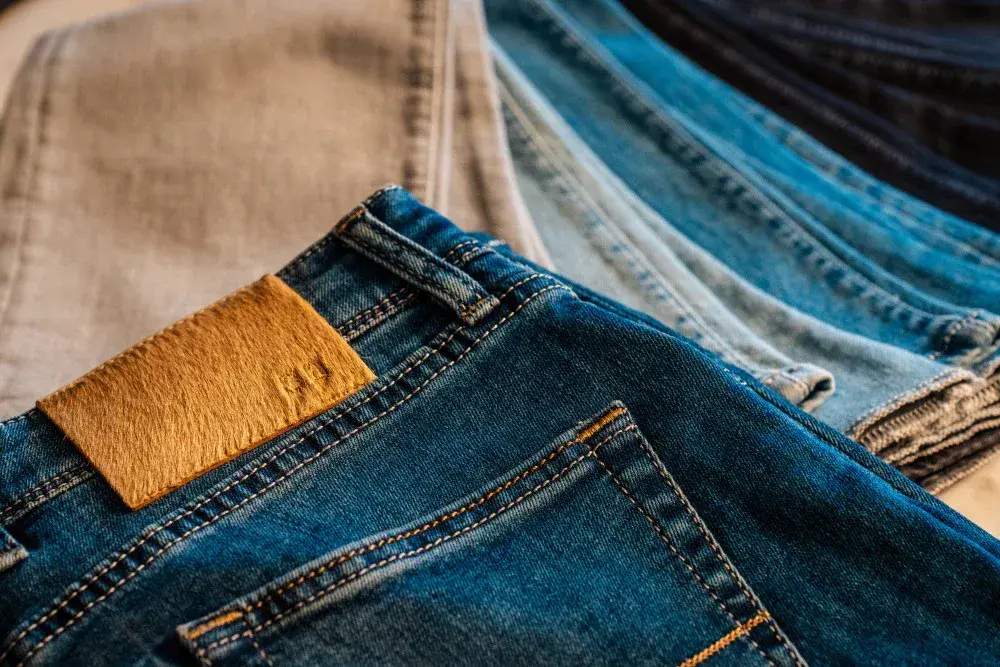
One office requires dress shoes. The next one has a guy in joggers on a Tuesday. If you’ve ever stood in front of your closet wondering where jeans land, you’re not alone. Workplaces have changed, and so has what “professional” looks like. The old rules don’t always apply anymore. That’s exactly why so many people are asking: Are jeans business casual? It’s a fair question, and the answer isn’t a simple yes or no. This blog shows when jeans work, how to style them right, and why they’ve earned a spot in the modern professional wardrobe. Are Jeans Business Casual? Yes, jeans can be business casual. But not every pair makes the cut. The fit matters. The wash matters. And so does your workplace. Dark, well-fitted jeans styled with the right top and shoes can look just as sharp as dress pants. But ripped, faded, or baggy jeans? Those belong on the weekend, not in the office. There are four things that decide if your jeans work: fit, wash, how you style them, and your company’s dress code. Get all four right, and business casual jeans are absolutely doable. What Business Casual Really Means Business casual used to mean khakis and a button-down. That was it. But workplaces have changed a lot since then. Today, it sits somewhere between a full suit and your weekend clothes. It’s polished, but not stiff. Blouses, chinos, loafers, and blazers are clothes that look put-together without feeling formal. Formal wear is for boardrooms and big client meetings. Smart casual leans more relaxed. Business casual lives right in the middle. A tech startup might be fine with clean dark jeans and a blazer. A law firm probably isn’t. And if you’re unsure which side your office falls on, look at what your manager wears on a regular Tuesday, not on casual Friday. Why Jeans are Now Considered Business Casual And What Makes Them Work Workplaces have loosened up. Startups, hybrid offices, and creative industries have pushed comfort-first dressing into the mainstream. Clean, polished denim followed naturally. So, are jeans business casual now? In many workplaces, yes. But only the right kind. Slim and straight-leg cuts look structured and intentional. Baggy fits don’t. Wash is just as important as the color: dark blue, indigo, or black jeans read as professional. Light or faded washes feel too casual for most offices. Fabric also plays a role. Structured denim holds its shape through the day. Overly stretchy styles lose their form fast and end up looking sloppy by lunch. You just need to learn how you can style denim for a stylish look. Keep them neat, well-maintained, and ironed if needed. Choosing the Best Business Casual Jeans Start with color. Dark indigo, black, and charcoal are your safest bets. They look clean and polished without trying too hard. Next, think about fit. Slim and straight-leg cuts work best. Avoid anything too tight or too loose; both look off in a professional setting. Rise and length matter too. A mid-rise with a full inseam looks the most polished. Before buying, run through this quick check: No rips, fading, or distressing. Dark wash only. Structured fabric that holds shape. Proper length; no dragging or cropping. Avoid buying jeans that need heavy alterations or look too trendy. Simple and clean always wins at work. How to Style Business Casual Jeans? The rule is simple. When one piece is casual, the other should be structured. Jeans are casual. A blazer is structured. That pairing works almost every time. The three formulas that always hold up: Jeans + Blazer: Sharp and office-ready instantly. Jeans + Button-Down Shirt: Clean, classic, and reliable. Jeans + Knitwear: Smart and comfortable for cooler days. Shoes tie it all together. Loafers and boots are great choices. Clean, simple sneakers can work in a relaxed office. But if you’ve never seen your manager wear them, that’s probably your answer. For accessories, keep it simple. A belt, a watch, or understated jewelry adds polish without overdoing it. Business Casual Jeans for Women Women have plenty of options for styling jeans for work. The goal is to look like you put thought into it, even if the outfit took five minutes to put on. Some outfits that work well: Jeans + blouse + blazer: A reliable, office-ready combination. Jeans + structured top + heels or flats: Gives a polished and put-together look. For fit, high-rise and straight-leg cuts are the most flattering in professional settings. Ankle-length jeans also work great; they look neat and pair well with most shoes. A few finishing tips: stick to neutral or jewel-toned tops, choose clean footwear, and keep accessories basic. Avoid overly trendy cuts, cropped styles, heavy distressing, or anything too fitted. If it looks like a weekend outfit, it probably is one. Business Casual Jeans for Men Men can absolutely make jeans work in a business casual setting, but the details matter. Outfits that always land well: Jeans + Collared Shirt + Blazer: Sharp without being overdressed. Jeans + Polo + Smart Shoes: Casual but clean. Slim, straight, or tailored fits are the way to go. Grooming does a lot of the heavy lifting here. A pair of clean dark jeans with a collared shirt and polished shoes reads as more put-together than a formal outfit that looks slightly off. Avoid: Wearing faded or ripped jeans to the office. Pairing jeans with graphic tees or hoodies. Choosing baggy fits that look unpolished. When Jeans are NOT Appropriate for Business Casual Everyone asks whether jeans can be business casual. Jeans aren’t right for every situation. But there are still moments when they don’t belong. Before you get dressed, think about what’s on your calendar. A big client meeting or a formal presentation isn’t the day for denim. Skip the jeans when: You’re heading into a formal client meeting or big presentation. If you work in law, finance, or government, traditional dress codes still apply. The event calls for proper business attire. Your denim is poorly styled, faded, or ripped. Company culture matters too. Watch what your manager and colleagues wear to important meetings. If they’re in dress pants, take the hint. When in doubt, dress one step more formally. A bad first impression is hard to fix. Conclusion So, are jeans business casual? Absolutely, but the right pair, styled the right way, is what makes the difference. Start by understanding your workplace. Then invest in a good dark-wash, well-fitted pair. Style it with intention: the right top, the right shoes, and you’re set. Now go check your wardrobe; your perfect work outfit might already be hanging there. Frequently Asked Questions (FAQs) 1. What Not to Wear for Business Casual? Avoid ripped jeans, graphic tees, hoodies, faded denim, overly casual shoes, and anything too baggy or too trendy. 2. Are Blue Jeans Considered Unprofessional? Not always; dark blue jeans in a clean, fitted style can look professional when styled with the right top and shoes. 3. Are Jeans Business Casual for Jury Duty? Dark, clean, well-fitted jeans paired with a neat top are generally acceptable, but dressing slightly more formally shows better respect for the setting.